The 15-Minute Challenge

The average primary care appointment in the United States lasts just 15 minutes. For seniors managing hypertension alongside other health conditions, this brief window needs to be used strategically. Patients who come prepared — with specific questions, home monitoring data, and medication lists — consistently receive better care, make better-informed decisions, and have better blood pressure outcomes. Here's how to maximize every doctor's visit.

What to Bring to Every Appointment

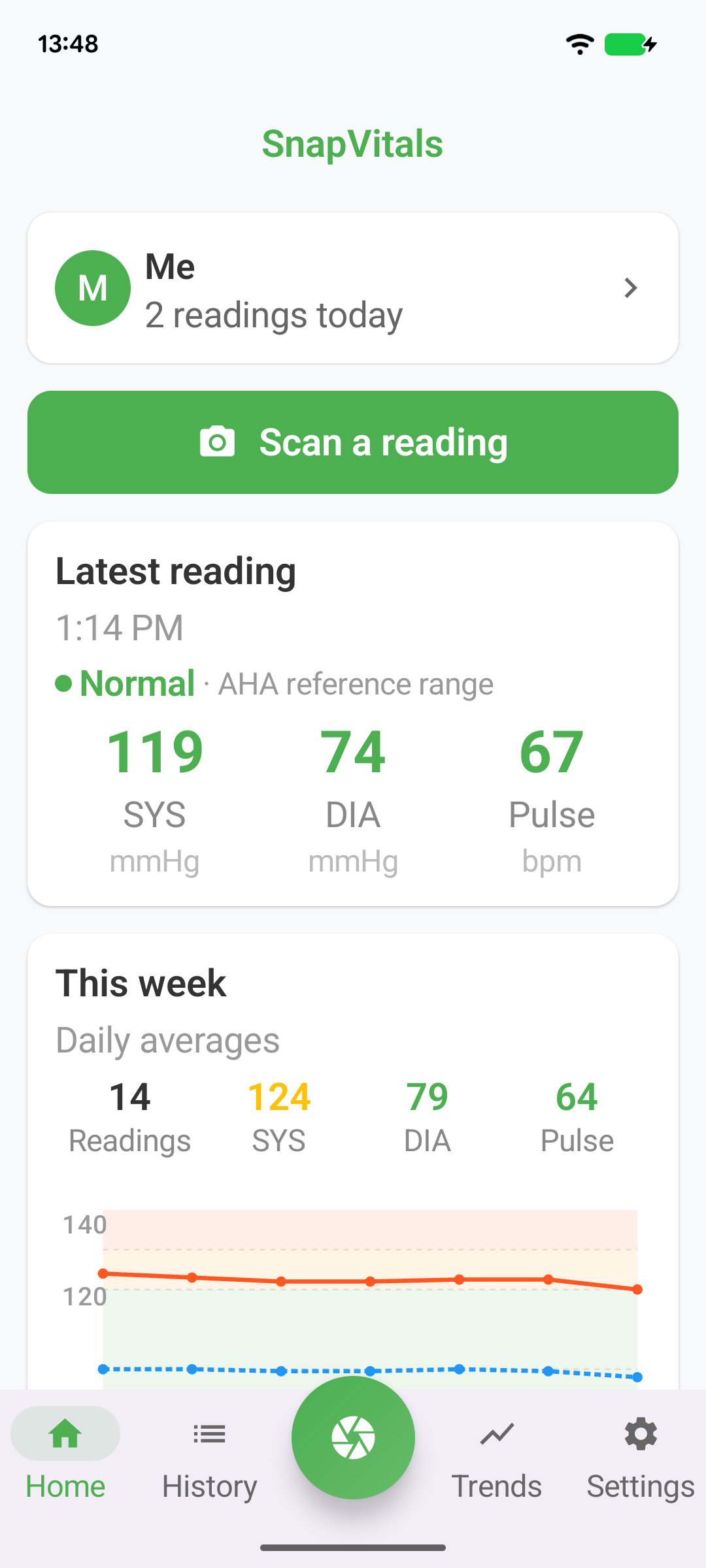
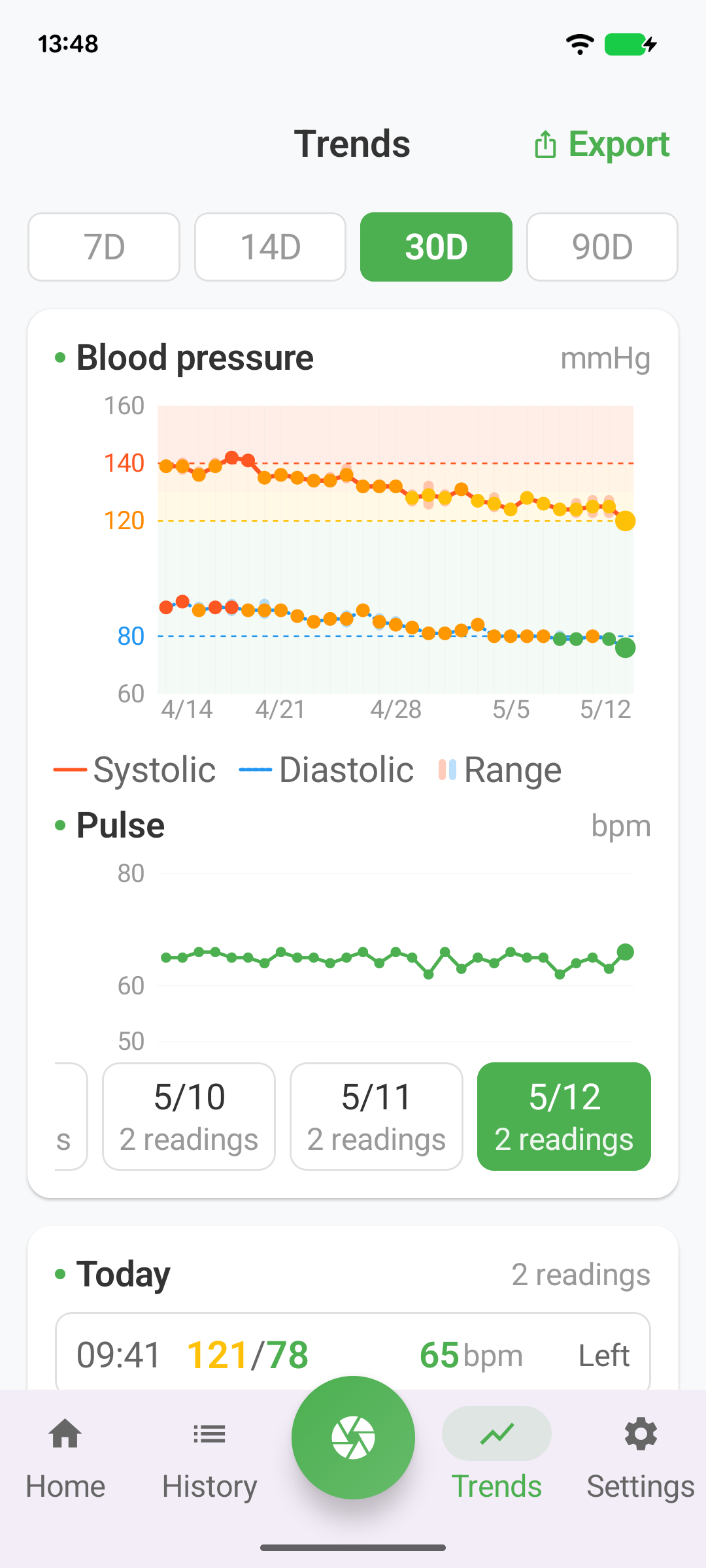
Your home blood pressure log: This is the most important thing you can bring. A 2–4 week log of twice-daily home readings tells your doctor far more than the single office measurement. If you use SnapVitals, you can generate a formatted PDF report with trend graphs in one tap and email it to your doctor before the appointment or print it to bring along.

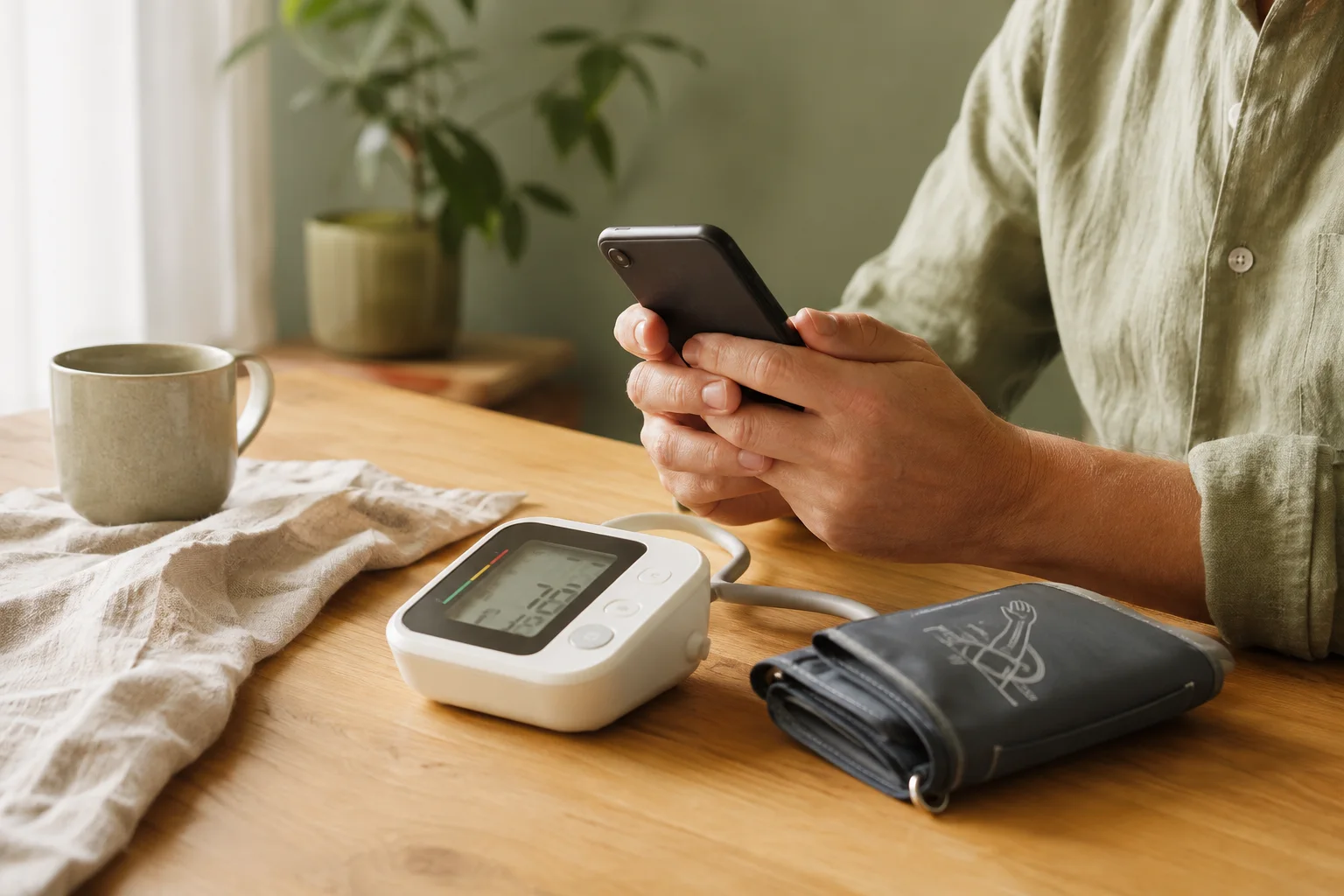
Bringing a home monitoring log transforms doctor appointments

Your complete medication list: Include every prescription medication, over-the-counter drug, vitamin, and supplement you take — with doses and timing. Many substances affect blood pressure: NSAIDs (ibuprofen, naproxen), decongestants, some antidepressants, caffeine, herbal supplements like licorice root, and high-dose vitamin C.

A written list of questions: When anxious or rushed, patients forget the questions that matter most. Write them down beforehand, prioritized from most to least important. Start with your most pressing question immediately when you enter the room — don't save it for the end.

A companion if possible: A family member or trusted friend can help remember information, take notes, and advocate on your behalf if you feel rushed or overwhelmed.

Key Questions to Ask Your Doctor

What is my blood pressure target? This should be a specific number, not "lower is better." Your individual target depends on your age, kidney function, fall risk, and other conditions. Knowing your target makes home monitoring meaningful.

When should I take each medication? The timing of blood pressure medication significantly affects its effectiveness. Ask specifically whether any of your medications would benefit from being taken at a different time of day.

What are the warning signs that require immediate attention? Know when to go to the emergency room versus when to call the office. A blood pressure reading above 180/120 with symptoms (headache, vision changes, chest pain) is a hypertensive crisis requiring immediate care.

How will we know if this treatment is working? Establish a timeline and criteria for evaluating whether your current regimen is adequate.

Being Honest About Medication Adherence

Studies show that approximately 50% of patients don't take blood pressure medications as prescribed. Doctors hear about adherence issues regularly and won't judge you — but they need to know the truth to make good decisions. Medication-resistant hypertension is often "pseudo-resistant" — the result of inconsistent medication taking rather than a treatment failure. Be honest about missed doses, side effects that make you want to stop, and cost issues that create barriers to refilling.

Advocating for Shared Decision-Making

Modern medical guidelines emphasize shared decision-making — treatment plans developed collaboratively between patients and physicians, taking patient preferences and values into account. If your doctor recommends a treatment approach you're not comfortable with, it's appropriate to say: "I'd like to understand the alternatives before we decide." For seniors, this might mean discussing the trade-offs between aggressive blood pressure control (lower event risk, potential over-treatment side effects) and more conservative targets (reduced fall risk, fewer side effects).