The Stress-Blood Pressure Connection

When you experience stress — whether from a difficult conversation, financial worry, or a traffic jam — your body releases adrenaline and cortisol. These hormones cause your heart to beat faster and your blood vessels to narrow, temporarily raising blood pressure by 10–20 mmHg or more. For most people, blood pressure returns to normal once the stressor passes. But chronic, ongoing stress keeps the sympathetic nervous system in a state of prolonged activation, contributing to sustained hypertension over time.

For seniors, common stress sources include health concerns, caregiving responsibilities, loneliness, financial uncertainty, and grief. Addressing these stressors isn't just good for mental health — it's essential cardiovascular medicine.

1. Practice Mindfulness Meditation (15 Minutes Daily)

Multiple randomized controlled trials have shown that regular mindfulness meditation reduces systolic blood pressure by 4–8 mmHg. Mindfulness works by reducing activity in the amygdala (the brain's stress center) and increasing prefrontal cortex regulation. You don't need a special app or training to start: sit comfortably, close your eyes, focus on your breath, and gently return attention to breathing whenever your mind wanders. The free app Insight Timer offers hundreds of guided meditations for beginners.

Mindfulness and relaxation techniques directly lower blood pressure

2. Progressive Muscle Relaxation

PMR involves systematically tensing and releasing muscle groups throughout your body, producing a state of deep physical relaxation that lowers blood pressure and heart rate. Studies show PMR reduces systolic pressure by 5–10 mmHg in people with mild hypertension. A complete session takes about 20 minutes and can be done lying in bed before sleep. Audio guides are widely available online for free.

3. Social Connection and Community

Loneliness and social isolation are associated with a 29% higher risk of heart disease and 32% higher risk of stroke. For seniors, maintaining strong social connections — whether through family visits, senior centers, volunteer work, religious communities, or phone calls with friends — directly reduces physiological stress responses. Making at least one meaningful social connection daily (even a 10-minute phone call) has measurable cardiovascular benefits.

4. Journaling to Process Worry

Expressive writing — spending 15–20 minutes writing about stressful experiences and your feelings about them — has been shown to reduce blood pressure in clinical studies. Journaling externalizes internal worry, reducing the cognitive load of rumination. For seniors who tend to "bottle up" concerns, journaling provides a safe, private outlet. Keep a dedicated notebook by your bed and write for 15 minutes before sleeping.

5. Spend Time in Nature

Research consistently shows that spending time in natural environments — parks, gardens, forests, or coastal areas — reduces cortisol levels and blood pressure. Even a 20-minute walk in a green space produces greater blood pressure reductions than the same walk in an urban setting. For seniors with limited mobility, viewing nature through a window, tending a garden, or keeping plants indoors also produces measurable stress-reduction benefits.

6. Pet Ownership and Animal Interaction

Owning a pet — particularly a dog or cat — is associated with lower blood pressure, slower heart rate, and reduced stress hormones. A study by the American Heart Association found that dog owners had significantly lower blood pressure than non-owners. The physical act of stroking a pet releases oxytocin (the bonding hormone) and suppresses cortisol. For seniors who can't own a pet, visiting a friend's animal or volunteering at an animal shelter produces similar benefits.

7. Limit News Consumption

Continuous exposure to negative news creates chronic low-grade stress, keeping cortisol levels elevated throughout the day. Studies during major news events show measurable blood pressure increases in people who consume heavy news content. Set specific "news windows" — perhaps 20 minutes in the morning and 20 in the evening — and avoid checking news, social media, or disturbing content within 2 hours of bedtime. Your blood pressure will thank you.

Tracking the Mind-Body Connection

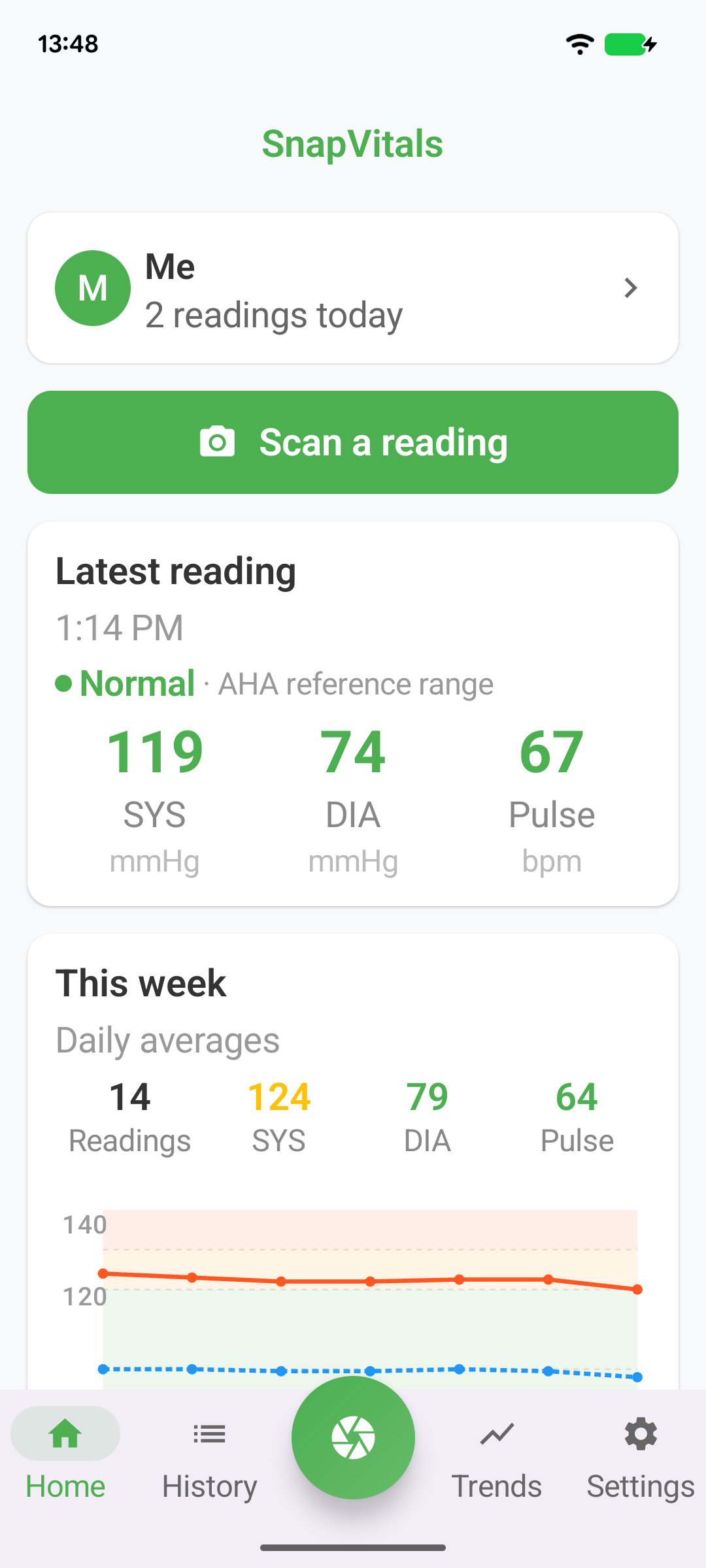
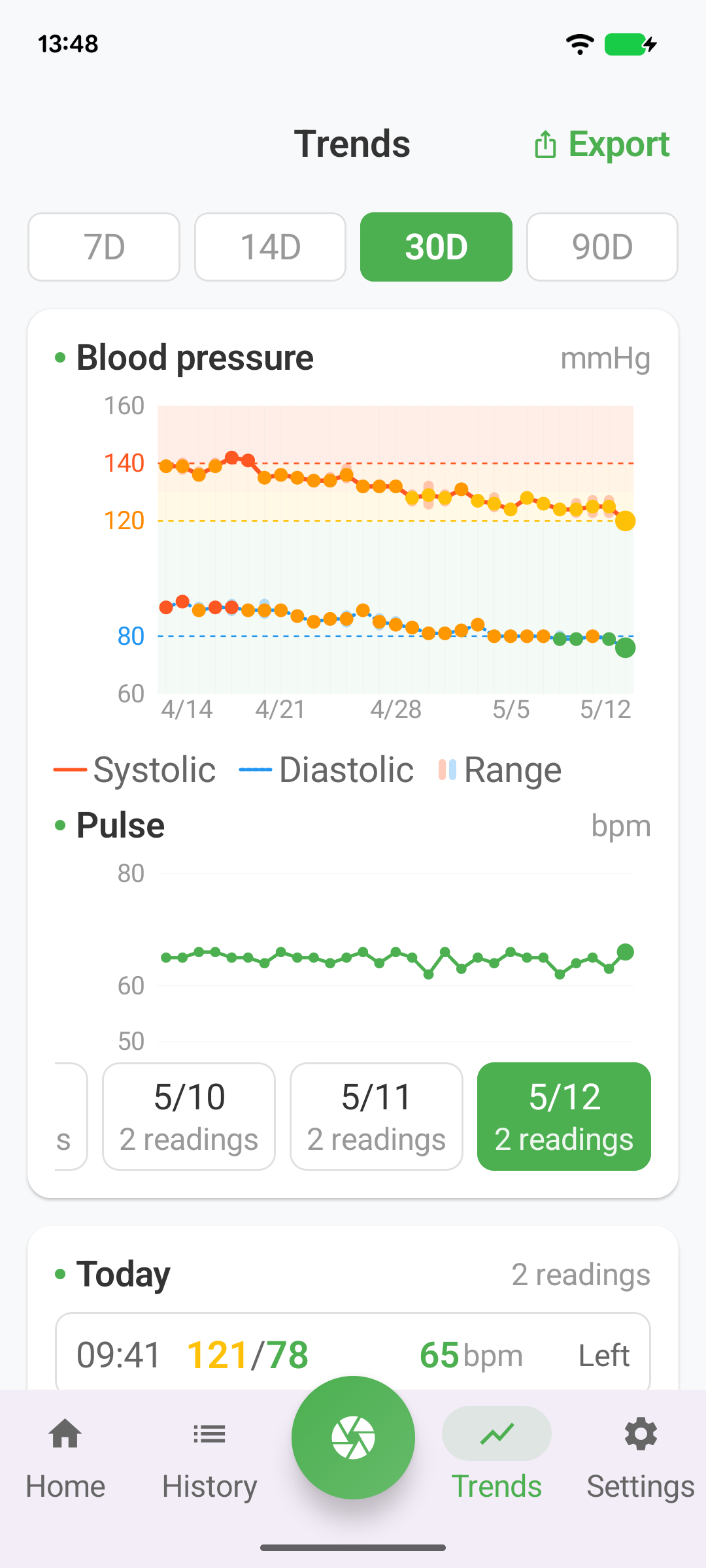
One of the most valuable things you can do is notice correlations between stressful events and blood pressure spikes. When you measure your blood pressure twice daily and keep notes about significant stressors — an argument, a medical appointment, a difficult phone call — you'll often discover clear patterns. This isn't about blame; it's about empowerment. Seeing the data motivates stress management in ways that abstract advice never can.