Why Daily Habits Matter More Than You Think

High blood pressure — or hypertension — affects nearly 70% of adults over age 65 in the United States. While medication plays an important role in many treatment plans, what you do every single day has an equally powerful effect on your cardiovascular health. The good news: small, consistent changes compound over time into dramatic improvements.

According to the American Heart Association, lifestyle modifications can lower systolic blood pressure by 4 to 11 mmHg — as effective as some medications. Here are 10 habits worth starting today.

1. Take a 30-Minute Walk Every Day

Aerobic exercise is one of the most powerful tools for lowering blood pressure. A brisk 30-minute walk five days a week can reduce systolic pressure by 4–9 mmHg. You don't need to jog — maintaining a pace where you can hold a conversation but feel slightly breathless is ideal. If 30 minutes feels too much, start with two 15-minute walks and build from there. Consistency matters more than intensity.

A senior maintaining a daily walking routine for heart health

2. Reduce Sodium to Under 1,500 mg Per Day

Sodium causes the body to retain water, which increases blood volume and pressure. For seniors, the recommended limit is 1,500 mg per day — about two-thirds of a teaspoon of salt. Read food labels carefully: canned soups, deli meats, bread, and condiments are often hidden sodium traps. Cooking at home and seasoning with herbs, lemon, and spices instead of salt can make a significant difference within weeks.

3. Follow the DASH Eating Plan

The Dietary Approaches to Stop Hypertension (DASH) diet consistently ranks as the most effective dietary intervention for high blood pressure. It emphasizes fruits, vegetables, whole grains, lean protein, and low-fat dairy while limiting saturated fats and sodium. Studies show the DASH diet can lower systolic pressure by up to 11 mmHg. Start by adding one extra serving of vegetables at lunch and dinner.

4. Monitor Your Blood Pressure at Home Daily

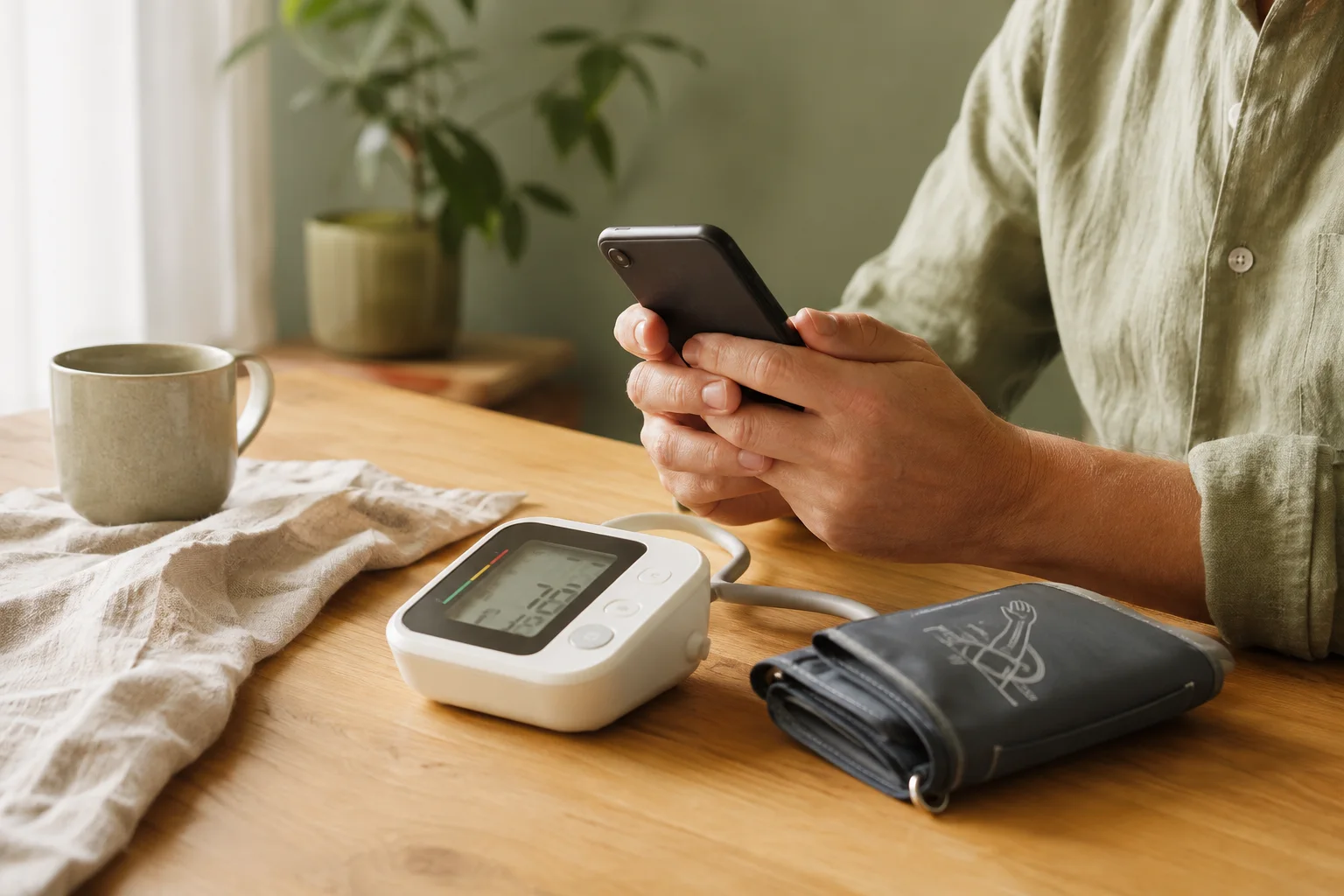
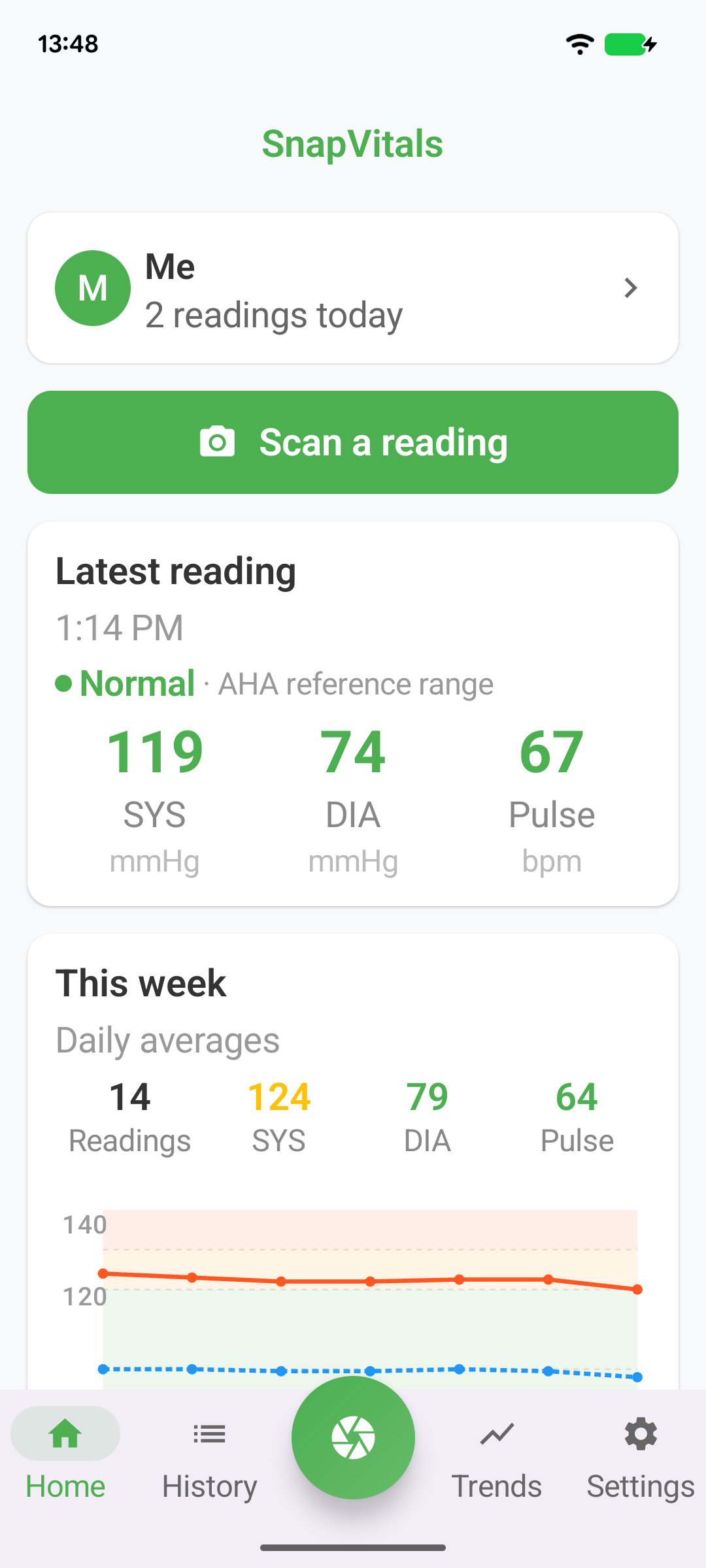
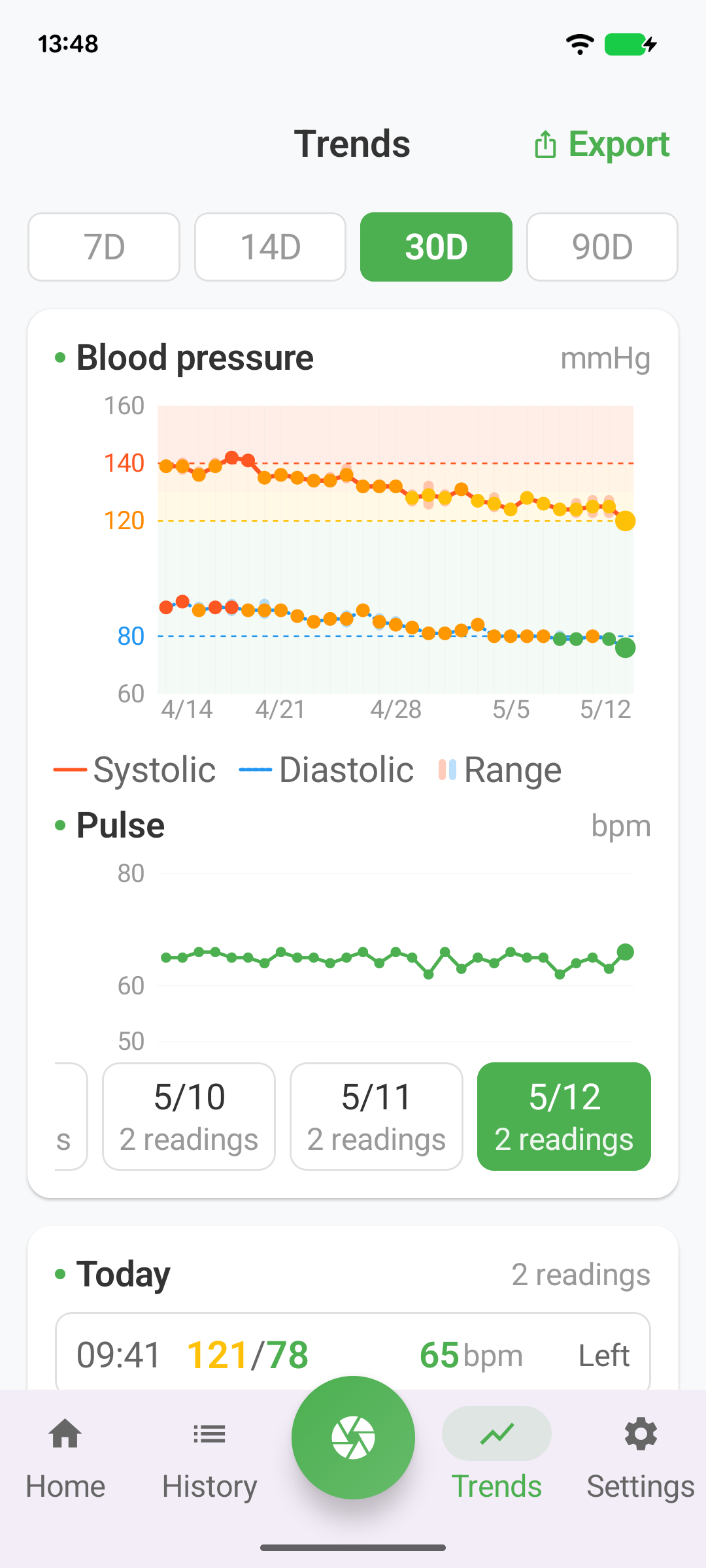
Home monitoring gives you real data rather than "white-coat" readings taken under stress at the doctor's office. Measure at the same time each day — ideally in the morning before taking medication, and again in the evening. Sit quietly for five minutes beforehand. Apps like SnapVitals can scan your monitor's reading in one second and track trends over time, making this habit effortless. Regular tracking also helps your doctor make better-informed treatment decisions.

5. Limit Alcohol to One Drink Per Day

For women, more than one drink per day, and for men, more than two, is associated with elevated blood pressure. Alcohol also interferes with blood pressure medications and disrupts sleep quality — both of which affect cardiovascular health. Cutting back even moderately can produce noticeable improvements in your readings within a few weeks.

6. Practice Slow, Deep Breathing for 10 Minutes

Stress activates the sympathetic nervous system, releasing adrenaline that temporarily spikes blood pressure. Slow, diaphragmatic breathing activates the parasympathetic response, lowering heart rate and vascular resistance. Try inhaling for 4 seconds, holding for 2, and exhaling for 6. Practice this twice daily — after waking and before bed. The FDA has even approved a device specifically for this technique to treat hypertension.

7. Prioritize 7–8 Hours of Quality Sleep

During sleep, blood pressure naturally dips 10–20%. People who consistently sleep fewer than 7 hours show higher average blood pressure across the day. Sleep apnea — common in older adults — can cause dangerous nighttime spikes. If you snore heavily or wake frequently, ask your doctor about a sleep study. Good sleep hygiene includes keeping a consistent schedule, avoiding screens after 9 PM, and keeping your bedroom cool and dark.

8. Quit Smoking Immediately

Every cigarette causes a temporary blood pressure spike, and the chemicals in tobacco damage arterial walls over time, narrowing blood vessels permanently. Quitting smoking is one of the single biggest improvements you can make for your cardiovascular health at any age. Within a year of quitting, your risk of heart disease drops by 50%. Ask your doctor about nicotine replacement or prescription options.

9. Increase Potassium-Rich Foods

Potassium counteracts sodium's effect on blood pressure by helping kidneys excrete sodium more efficiently. Adults need 3,500–5,000 mg of potassium daily. Excellent sources include bananas, sweet potatoes, spinach, avocados, oranges, and beans. Note: if you have kidney disease or take certain medications, check with your doctor before increasing potassium significantly.

10. Weigh Yourself Every Morning

For every 20 pounds of excess weight, blood pressure increases by approximately 10 mmHg. Even a 5–10 pound weight loss can make a measurable difference. Weighing yourself daily (at the same time, after using the bathroom) creates awareness and accountability. Research shows daily self-weighing leads to better long-term weight management than weekly weigh-ins.

The Power of Tracking

All ten of these habits work better when you can see results. Tracking your blood pressure daily — especially with an automatic app like SnapVitals — creates a feedback loop that keeps you motivated. When you see your numbers trending down after a week of better sleep or daily walks, you're more likely to keep going. Small wins build momentum for bigger changes.

Talk to your doctor before making significant changes to your diet or exercise routine, especially if you're currently on blood pressure medication. Your dosage may need to be adjusted as your lifestyle improves.