Blood Pressure Is Not a Fixed Number

Many seniors are surprised to discover that their blood pressure varies significantly throughout the year, even when other factors stay constant. Blood pressure tends to be lower in summer and higher in winter — sometimes by as much as 5–10 mmHg systolic. Understanding this seasonal variation is important for medication management, health monitoring, and preventing winter cardiovascular events.

Why Blood Pressure Rises in Winter

Cold temperatures cause blood vessels to constrict — a protective response that conserves body heat by reducing blood flow to the extremities. This vasoconstriction increases the resistance the heart must pump against, raising blood pressure. Reduced physical activity in winter, greater consumption of comfort foods (often higher in sodium and calories), and less vitamin D production from sunlight all compound this effect. Studies consistently show that systolic blood pressure averages 2–5 mmHg higher in winter months compared to summer in temperate climates.

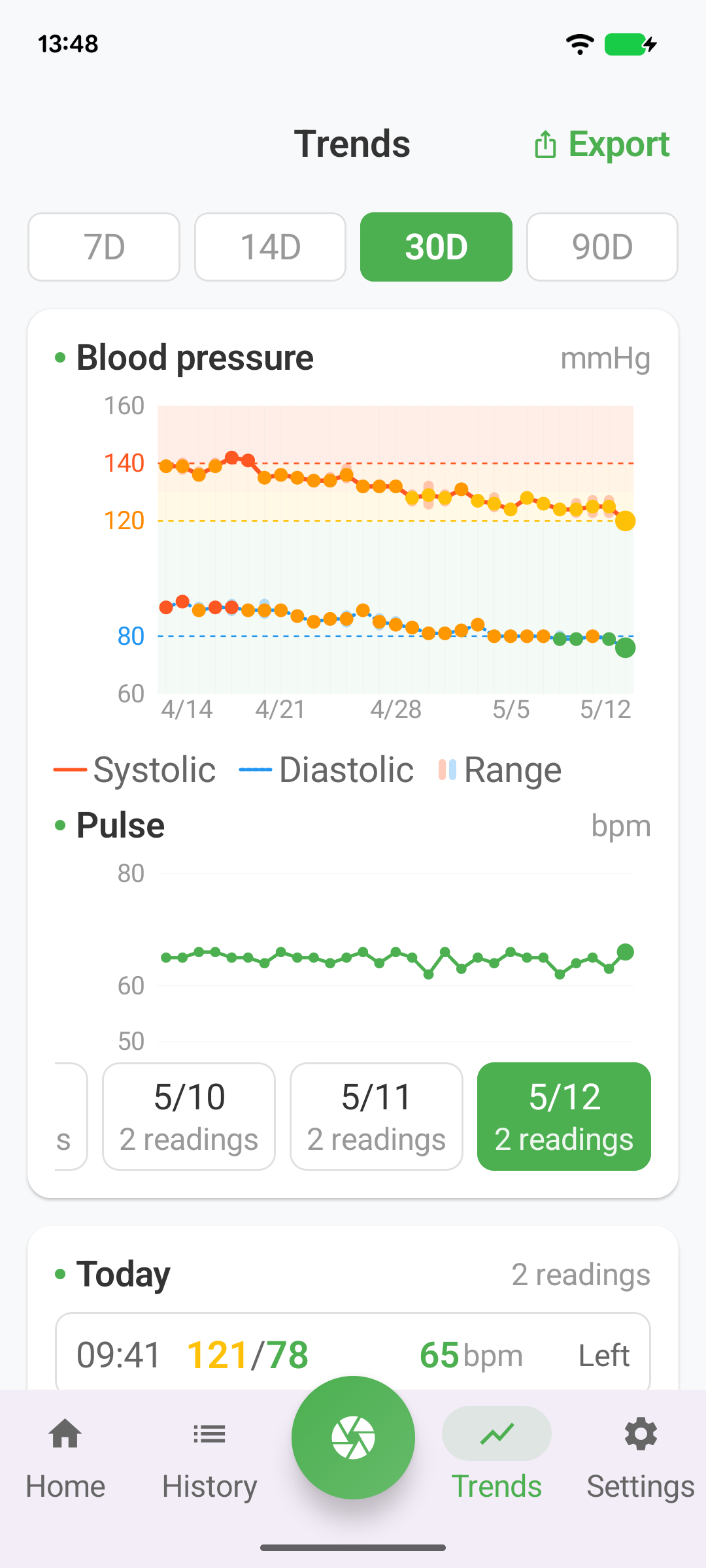
Year-round monitoring reveals seasonal blood pressure patterns

The Summer Blood Pressure Dip

In warm weather, blood vessels dilate to dissipate heat — the opposite effect from cold. This vasodilation reduces blood pressure, sometimes significantly. Combined with increased physical activity outdoors and greater consumption of fresh fruits and vegetables, summer typically produces the lowest blood pressures of the year. For seniors on blood pressure medication, summer readings may fall below target — potentially causing symptoms of low blood pressure like dizziness and lightheadedness.

How to Manage Seasonal Variation

Track your blood pressure year-round with home monitoring, noting any consistent seasonal patterns. Bring your seasonal data to your physician — many doctors will adjust medication dosing between summer and winter based on this information. In winter, be especially vigilant about sodium intake and staying active indoors. In summer, measure blood pressure more frequently to watch for over-treatment, and stay well-hydrated to prevent dehydration-related blood pressure drops.

The Morning Surge: A Seasonal Amplification

Blood pressure naturally surges in the early morning as the body prepares for activity — cortisol and adrenaline rise, increasing heart rate and vascular tone. This morning surge is amplified in winter, creating the classic higher risk of heart attack and stroke in the early morning hours of cold months. If you notice particularly high morning readings in winter, discuss this with your physician — medication timing adjustments (including taking a long-acting agent at bedtime) can smooth the morning surge.

Holiday Stress and Winter Blood Pressure

The winter holiday season creates a confluence of blood pressure-raising factors: increased sodium from holiday foods, greater alcohol consumption, disrupted sleep schedules, family stress, cold temperatures, and reduced physical activity. This "holiday effect" on cardiovascular health is well-documented — emergency rooms see measurable increases in heart attacks and strokes during the holiday period. Monitor your blood pressure more frequently during the holiday season and be particularly mindful of dietary choices.

Year-Round Tracking: The Key to Detecting Patterns

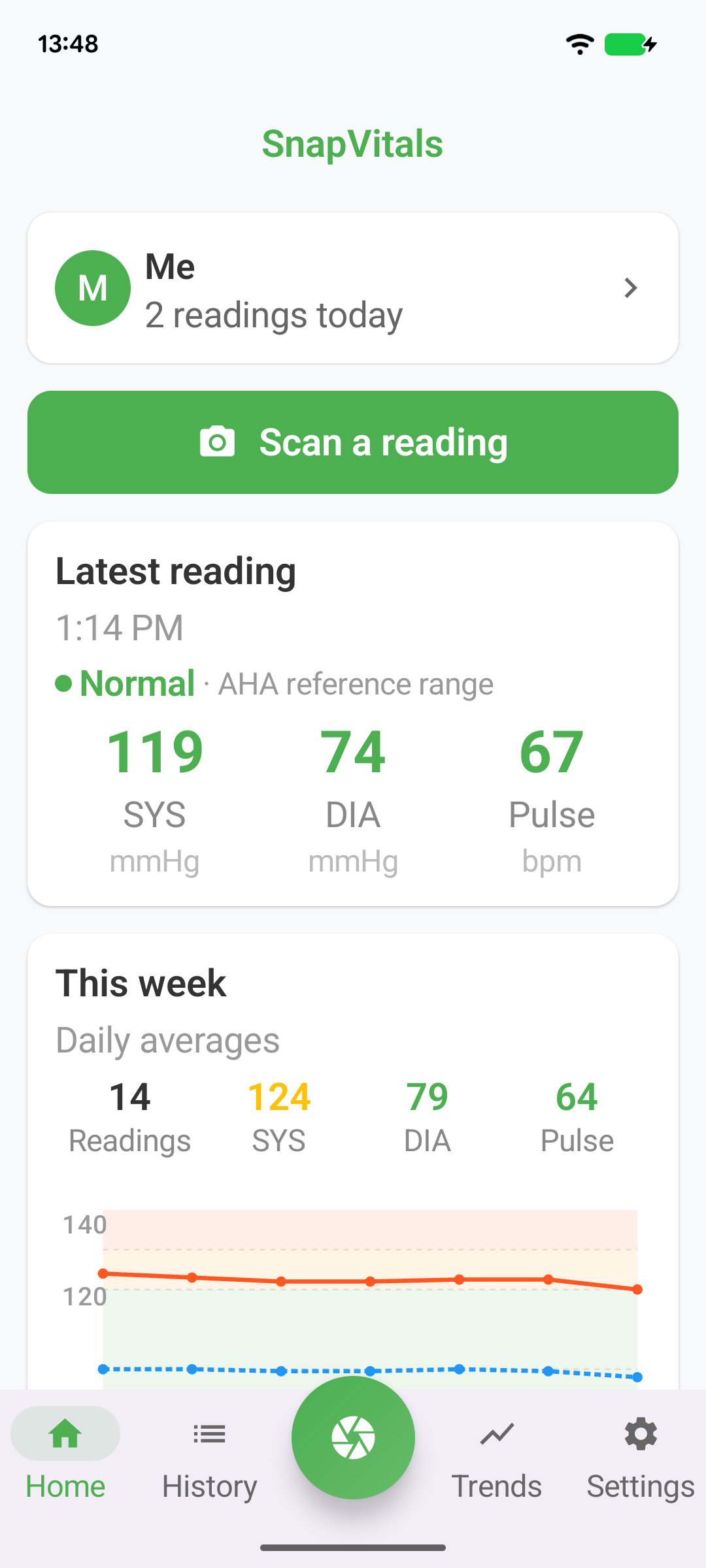
Seasonal blood pressure variation is invisible unless you're tracking year-round. A single doctor's appointment in March won't reveal your summer hypotension or winter hypertension. Daily home monitoring with an app that stores and trends your data over months — like SnapVitals — gives both you and your doctor the complete picture needed to manage your cardiovascular health through every season.