Defining Low Blood Pressure

Low blood pressure (hypotension) is generally defined as a systolic reading below 90 mmHg or a diastolic below 60 mmHg. However, the clinical significance depends entirely on context and symptoms. Many healthy, fit adults chronically maintain blood pressures of 95/65 mmHg with no adverse effects. The concern arises when low blood pressure causes symptoms — particularly in older adults, where even modest drops in perfusion pressure can have serious consequences.

In seniors, the brain, kidneys, and heart are more vulnerable to perfusion pressure drops because arterial stiffness and impaired autoregulation make it harder to compensate for sudden pressure changes. What might be a brief dizzy spell in a younger person can become a fall, head injury, or cardiac event in an older adult.

Recognizing symptoms of low blood pressure early prevents dangerous complications including falls

Orthostatic Hypotension: The Most Common Type in Seniors

Orthostatic (or postural) hypotension — a drop of 20+ mmHg systolic or 10+ mmHg diastolic within 3 minutes of standing — affects approximately 30% of adults over age 65. It's caused by a delayed cardiovascular response to the sudden pooling of blood in the legs when standing. Symptoms include dizziness, lightheadedness, blurred vision, leg weakness, and sometimes syncope (fainting) upon standing. Falls from orthostatic hypotension are a leading cause of hip fractures in elderly adults.

Risk factors include dehydration, prolonged bed rest, hot weather, meals (postprandial hypotension is a distinct variant occurring after eating), and numerous medications — particularly diuretics, beta-blockers, alpha-blockers, nitrates, and tricyclic antidepressants. Parkinson's disease and diabetes (through autonomic neuropathy) are common medical causes.

Practical Management Strategies

The foundation of orthostatic hypotension management is behavioral modification before medications. Rise slowly — sit at the edge of the bed for 30–60 seconds before standing. Clench calf muscles several times before rising to pump blood from the legs back to the circulation. Stay well-hydrated (small, frequent water intake throughout the day). Eat smaller, more frequent meals to reduce postprandial pooling. Elevate the head of the bed 6–8 inches (this reduces overnight sodium excretion and maintains plasma volume). Wear knee-high compression stockings during the day.

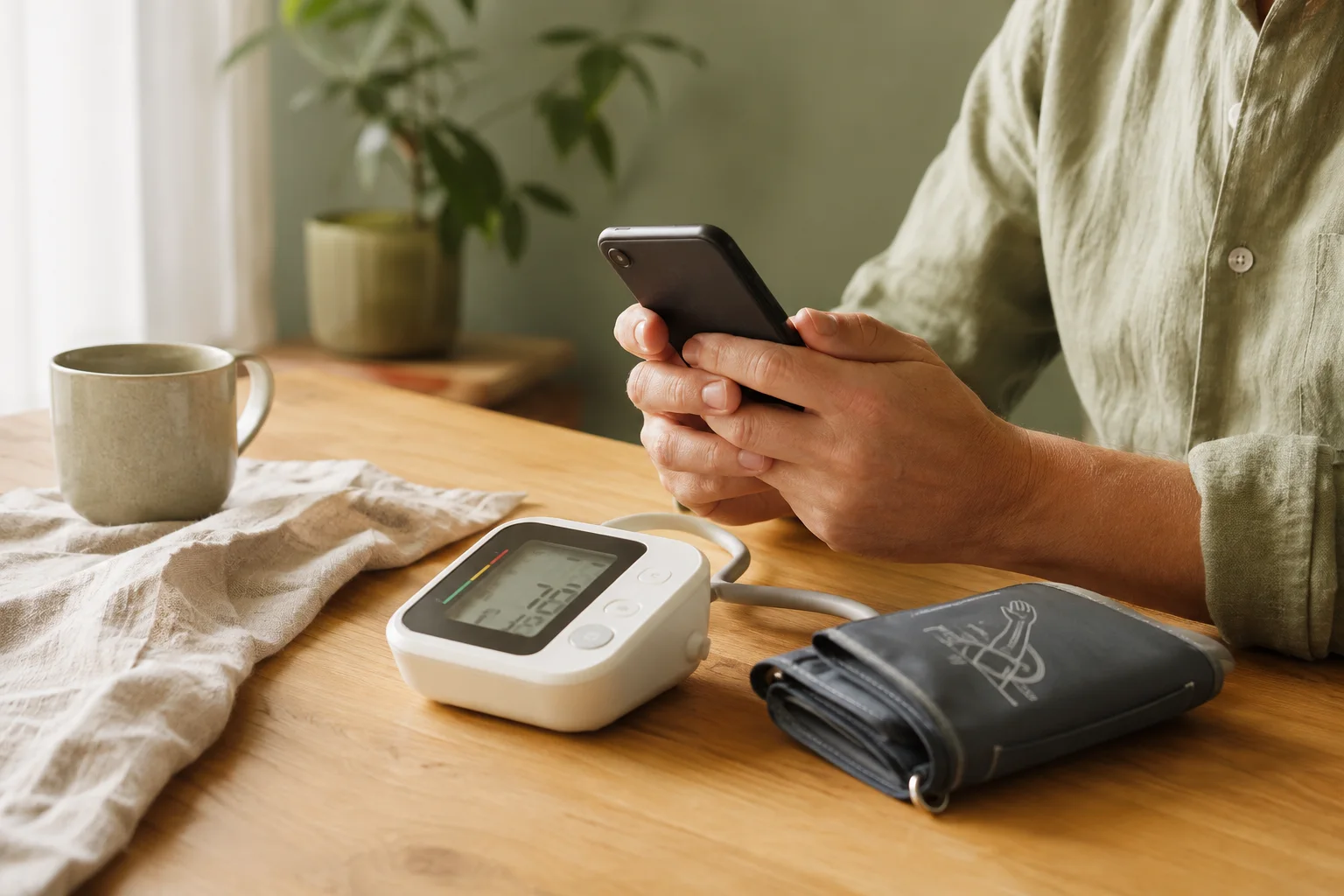
Monitoring blood pressure both lying down and standing reveals orthostatic hypotension that standard single readings miss

When Medications Cause Low Blood Pressure

Medication-induced hypotension is extremely common and frequently overlooked as a cause of falls and fatigue in seniors. Review all medications with your doctor if you're experiencing dizziness or orthostatic symptoms. Common culprits include antihypertensives (particularly if the dose was set when blood pressure was higher), diuretics, alpha-1 blockers (often used for enlarged prostate), nitrates, antidepressants, antipsychotics, and medications for Parkinson's disease. Medication rationalization — systematically reviewing and eliminating unnecessary drugs — can sometimes resolve hypotension without adding new treatments.