How Strong Is the Genetic Component of Hypertension?
Hypertension has a significant hereditary component — studies of twins show that genetic factors account for approximately 30–50% of blood pressure variation. If one parent had hypertension, a person's risk roughly doubles. If both parents had it, the risk triples. Having a first-degree relative (parent, sibling) who experienced a heart attack before age 55 (men) or 65 (women) is considered a major independent cardiovascular risk factor that affects treatment decisions.
However, genetics set a predisposition — not a destiny. People with strong family histories of hypertension who adopt excellent lifestyle habits often maintain blood pressure in the normal range well into older age. Conversely, people with no family history can develop hypertension if they lead sedentary, high-sodium lifestyles.
Creating a Family Cardiovascular History
If you haven't already, it's worth investing time in documenting your family's cardiovascular history. Ask about parents, grandparents, siblings, and aunts/uncles: whether they had hypertension, heart attack, stroke, heart failure, atrial fibrillation, or kidney disease; at what age these events occurred; whether they smoked, had diabetes, or were obese. Share this information with your doctor. A positive family history may prompt earlier or more aggressive treatment, additional diagnostic testing, or more frequent monitoring.
Passing Knowledge to the Next Generation
If you have hypertension, your children are at elevated risk. One of the most valuable things you can do is share your cardiovascular history with them — and encourage early monitoring, even in their 30s and 40s. High blood pressure typically develops gradually over decades. Starting preventive lifestyle habits early, before hypertension develops, is far more effective than treating established disease later.
Epigenetics: How Lifestyle Modifies Genetic Risk
Emerging science shows that lifestyle choices don't just override genetic predispositions — they actually modify gene expression through epigenetic mechanisms. Regular exercise, a healthy diet, stress management, and not smoking can "turn off" genes associated with cardiovascular disease and "turn on" protective ones. This means that even people with strong genetic predispositions can meaningfully reduce their expression of that risk through consistent healthy habits.
Pharmacogenomics: Why Some Medications Work Better for You
Genetics also influence how individuals respond to specific blood pressure medications. For example, certain genetic variants affect how efficiently the kidneys respond to diuretics, how sensitive arteries are to calcium channel blockers, and how quickly ACE inhibitors are metabolized. This is why two people with the same blood pressure may respond very differently to the same medication. If you've tried multiple medications without adequate response, mention your family history and ask your doctor about pharmacogenomic testing, which can help guide medication selection.
Managing a High-Risk Family History
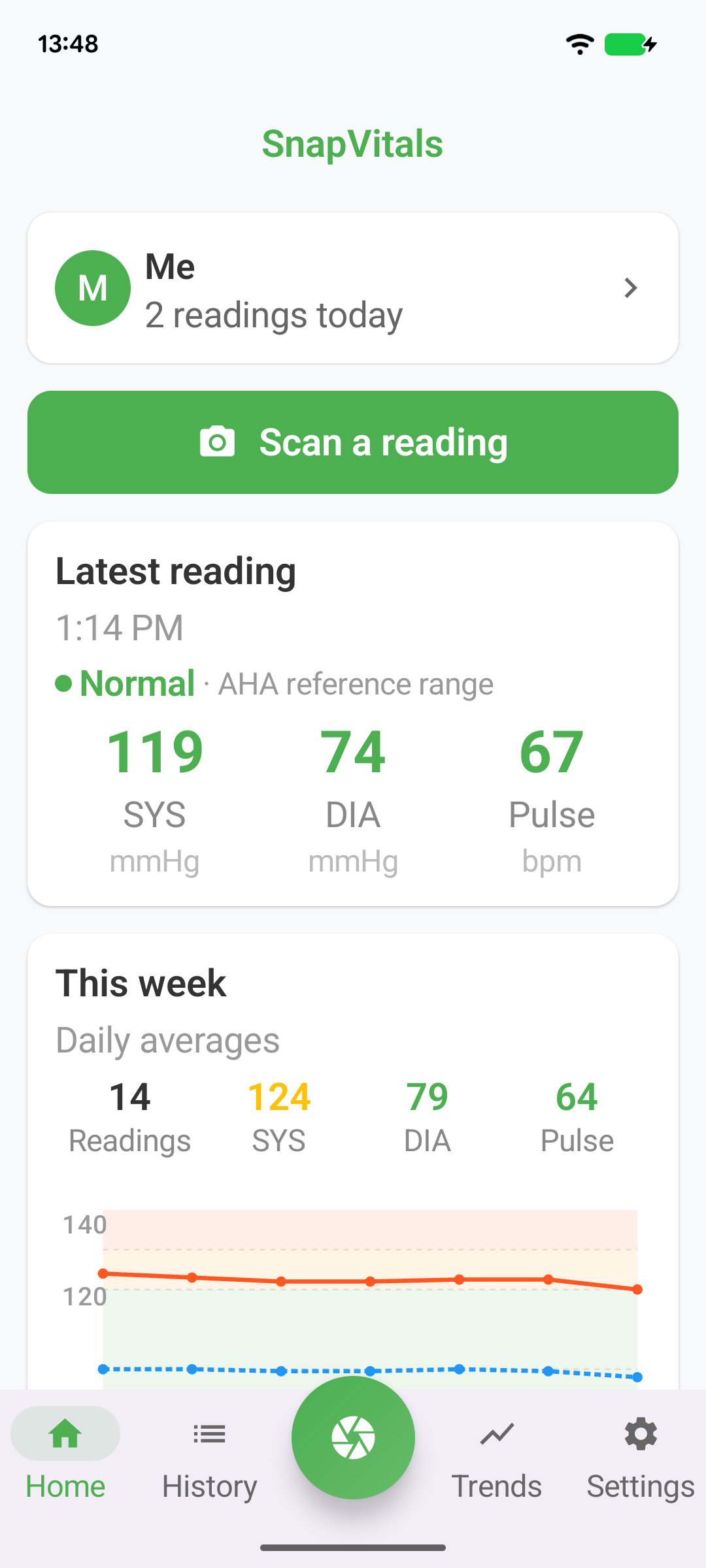
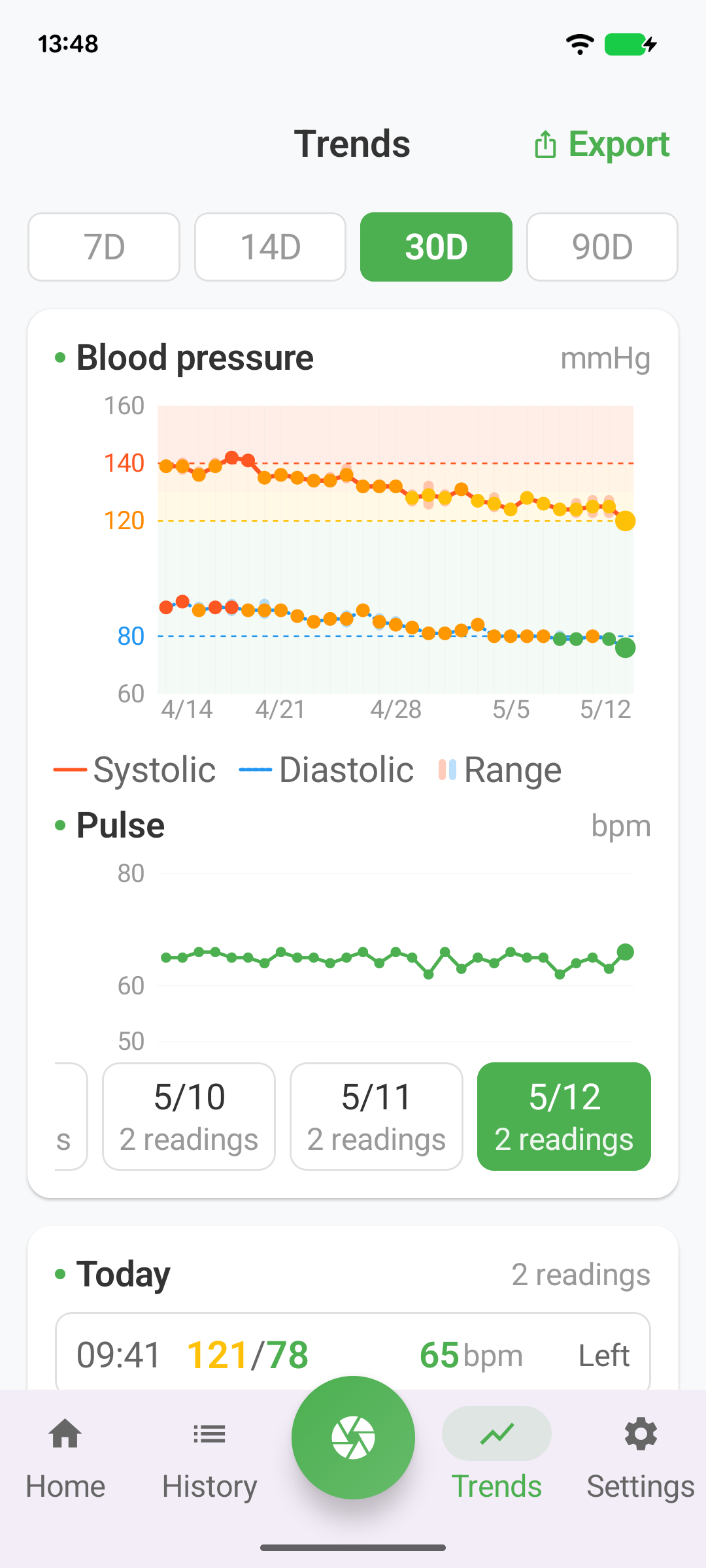
If you have a strong family history, the most important steps are: measuring blood pressure at home regularly (daily if possible), knowing your numbers and your personal target, being proactive about lifestyle optimization, attending all scheduled medical appointments, and being vigilant about medication adherence. Use SnapVitals or another tracking tool to create a consistent record that you can share with your physician at each visit.