The Number One Modifiable Stroke Risk Factor

Of all the factors that contribute to stroke risk — smoking, atrial fibrillation, diabetes, high cholesterol — high blood pressure is the single most important and most modifiable. Hypertension is responsible for approximately 54% of strokes worldwide. The relationship is linear: each 10 mmHg increase in systolic blood pressure is associated with a roughly 27% increase in stroke risk. Conversely, each 10 mmHg reduction in systolic blood pressure through treatment reduces stroke risk by approximately 27% — one of the strongest risk-reduction effects seen in cardiovascular medicine.

This direct causal relationship is why hypertension control is considered the single highest-impact intervention for stroke prevention, both at the individual and population level.

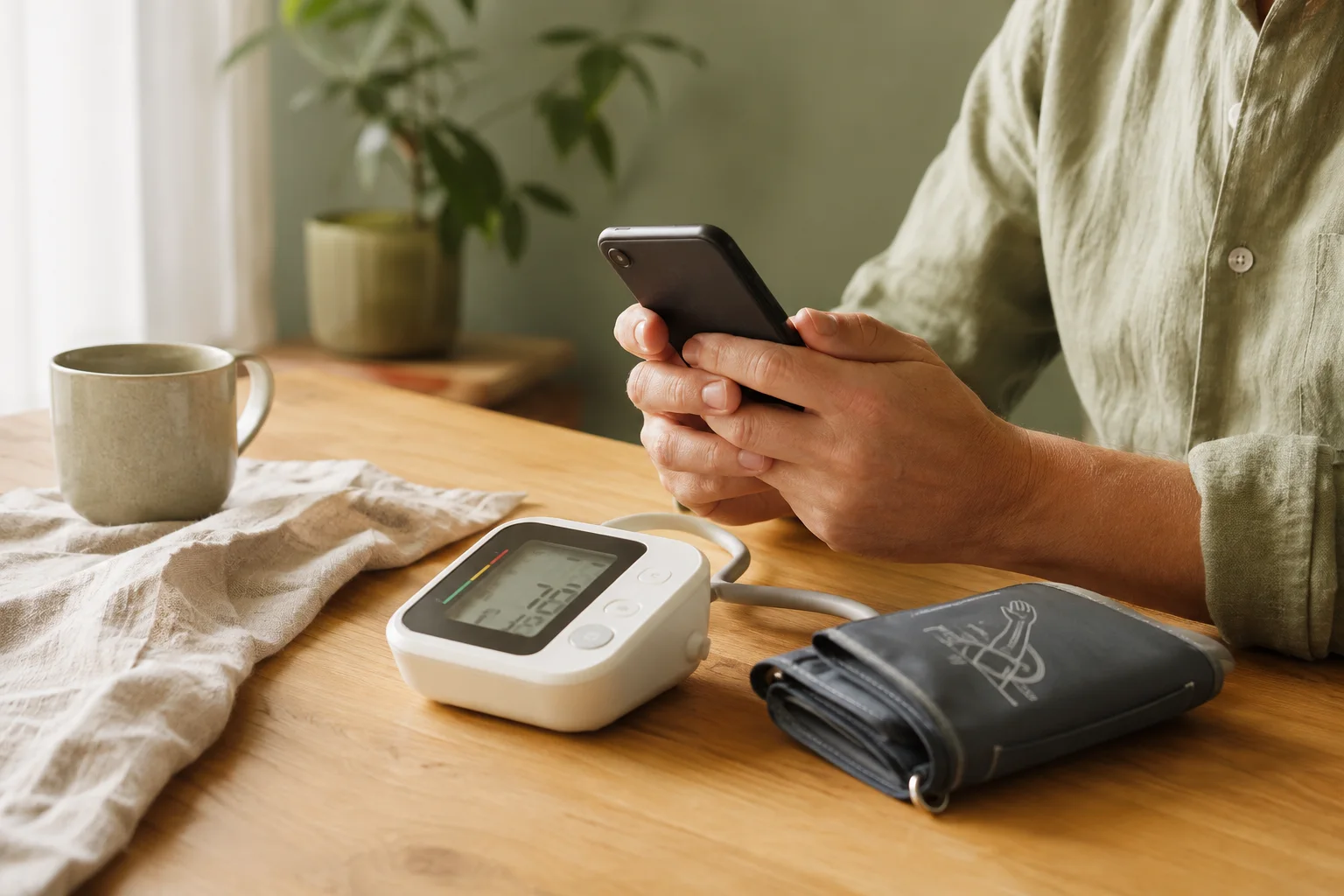
Regular blood pressure monitoring is the most powerful tool for stroke prevention in people over 60

How High Blood Pressure Causes Strokes

Sustained hypertension causes stroke through two main mechanisms. First, it accelerates atherosclerosis — the buildup of plaques in arterial walls — throughout the cerebral circulation. These plaques can rupture, triggering clot formation that occludes cerebral arteries (ischemic stroke, which accounts for 87% of all strokes). Second, it weakens the walls of small penetrating arteries deep in the brain through a process called lipohyalinosis — causing small vessel disease that leads to both lacunar infarcts (tiny deep strokes) and hemorrhagic stroke (bleeding into the brain), which, while less common, carries much higher mortality.

Recognizing FAST Warning Signs

The FAST acronym captures the most important stroke warning signs: Face drooping (one side of the face droops when asked to smile), Arm weakness (one arm drifts down when both are raised), Speech difficulty (slurred or strange speech, unable to repeat a simple sentence), Time (call 911 immediately). Additional warning signs include sudden severe headache with no known cause ("thunderclap headache"), sudden vision disturbance in one or both eyes, sudden loss of balance or coordination, and sudden confusion or difficulty understanding.

Every minute of stroke untreated, approximately 1.9 million neurons die. "Time is brain" — calling 911 immediately rather than waiting to see if symptoms resolve can mean the difference between full recovery and permanent disability.

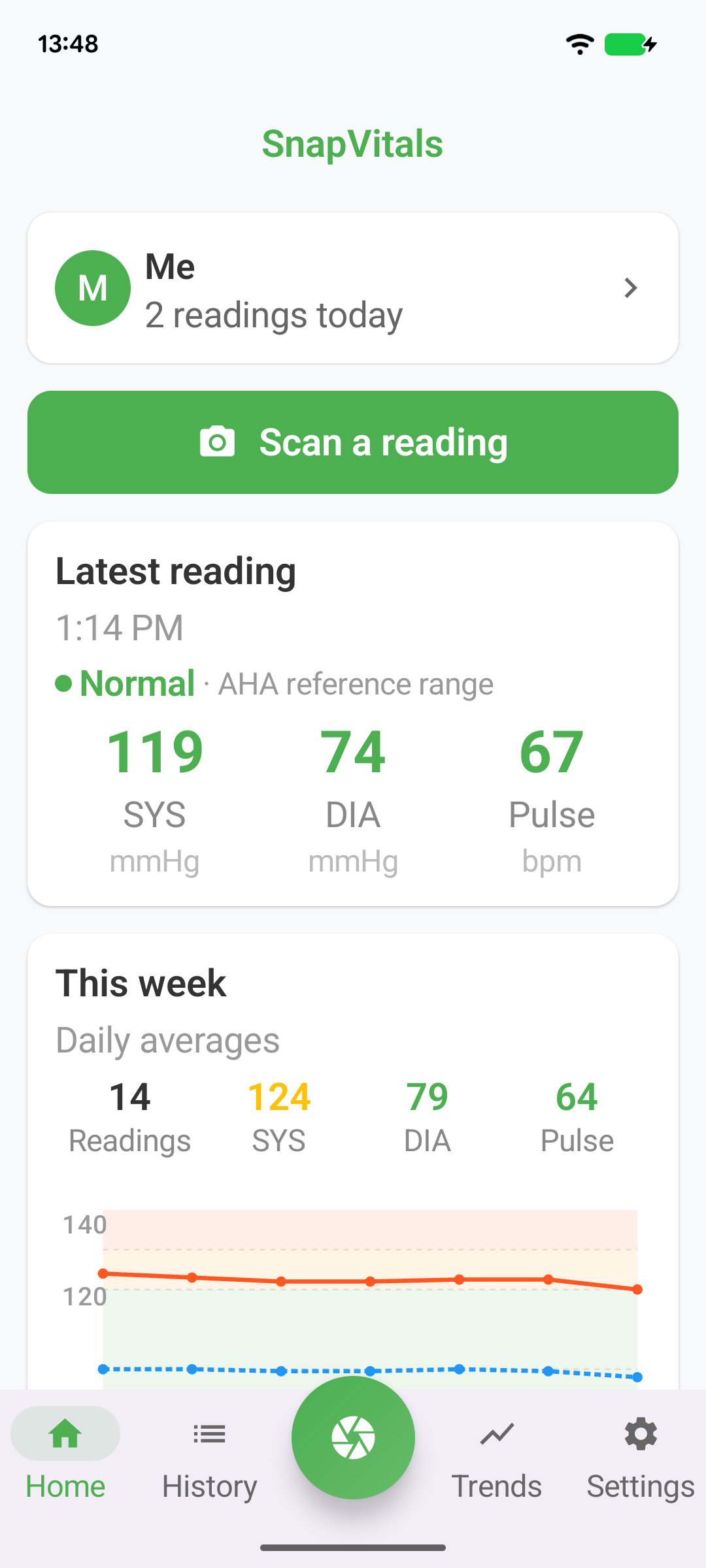
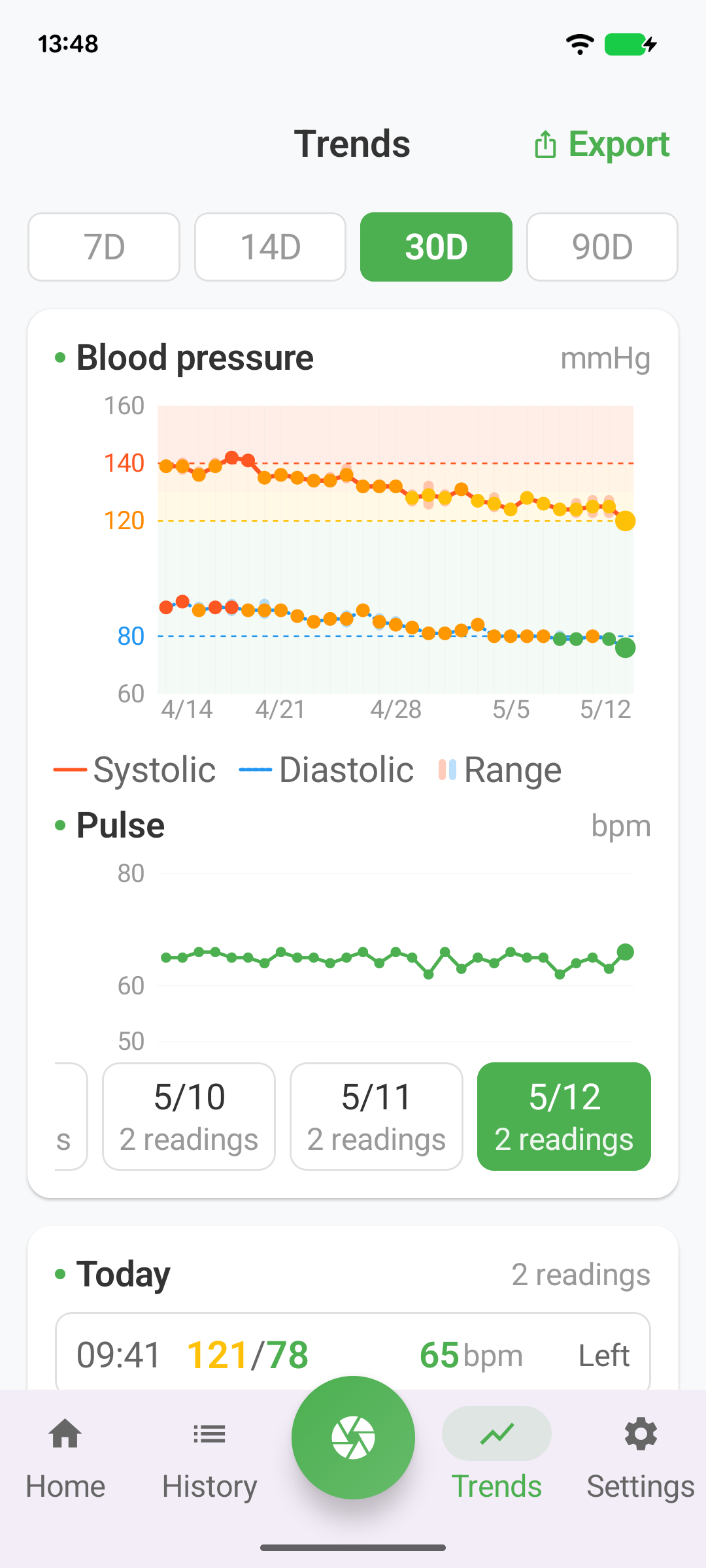
Sharing blood pressure trends with your family helps them recognize stroke risk and respond quickly if symptoms appear

Beyond Blood Pressure: Complete Stroke Prevention

While blood pressure control is the foundation of stroke prevention, a comprehensive approach addresses multiple risk factors simultaneously: achieve and maintain blood pressure below 130/80 mmHg through lifestyle and medications; if you have atrial fibrillation, anticoagulation is critical (discuss with your doctor); control blood glucose if diabetic; quit smoking; maintain healthy weight and exercise regularly; limit alcohol; and consider aspirin therapy only if recommended by your physician (it is NOT appropriate for everyone). Annual cardiovascular risk assessment, including carotid artery screening if indicated, allows personalized prevention planning.