Why This Combination Is Especially Dangerous

High blood pressure and type 2 diabetes are frequent traveling companions — nearly 70% of adults with diabetes also have hypertension. Together, they create a synergistic cardiovascular risk that is far greater than either condition alone. Each condition independently damages blood vessels; combined, the damage accumulates faster, narrowing arteries more aggressively and raising the risk of heart attack, stroke, kidney failure, and vision loss.

The underlying mechanisms reinforce each other: insulin resistance raises blood pressure through sodium retention and increased sympathetic nervous system activity; conversely, hypertension worsens insulin resistance by impairing glucose transport in muscle tissue. This bidirectional relationship means treating one condition almost always improves the other.

Regular monitoring of both blood pressure and blood sugar is essential for people managing both conditions

Blood Pressure Targets Are Stricter for Diabetic Patients

The American Diabetes Association recommends a blood pressure target of below 130/80 mmHg for most adults with diabetes — tighter than the general population target. For diabetic patients with chronic kidney disease or those at high cardiovascular risk, some guidelines push the systolic target even lower, toward 120 mmHg.

These stricter targets reflect the evidence that even modest reductions in blood pressure produce disproportionately large benefits in diabetic patients. A 10 mmHg reduction in systolic blood pressure reduces cardiovascular events in diabetic patients by 15–20%, compared to 10–12% in the general hypertensive population.

Medication Choices When Both Conditions Are Present

ACE inhibitors and ARBs are the preferred first-line blood pressure medications for diabetic patients. These drugs reduce blood pressure and provide specific kidney-protective effects that other medication classes do not — critical given that diabetic nephropathy (kidney damage from diabetes) affects 40% of diabetic patients over time. ACE inhibitors also improve insulin sensitivity slightly, providing a metabolic benefit beyond blood pressure reduction.

Calcium channel blockers are commonly added as a second agent when ACE inhibitor/ARB alone is insufficient. Beta-blockers, while effective for blood pressure, can mask some symptoms of hypoglycemia and should be used cautiously. Thiazide diuretics at low doses are generally safe and effective in combination regimens.

Coordinated care between primary care physician, cardiologist, and endocrinologist optimizes outcomes for dual diagnosis patients

Lifestyle Changes That Address Both Conditions Simultaneously

The most powerful interventions address both conditions at once. Weight loss is the most impactful: a 5% reduction in body weight improves both blood pressure and blood glucose control meaningfully. The DASH diet is strongly recommended for diabetic hypertensives because it reduces sodium and increases potassium while naturally limiting refined carbohydrates and saturated fats.

Regular aerobic exercise reduces both blood pressure and hemoglobin A1C (the key marker of long-term glucose control). The combination of 30 minutes of moderate aerobic exercise with twice-weekly resistance training produces better outcomes than either alone. Even 15-minute post-meal walks are particularly effective at blunting post-meal blood sugar spikes while also improving vascular function.

The Kidney Connection: A Three-Way Threat

The kidneys sit at the intersection of both conditions. Diabetic damage to the kidneys' small blood vessels raises blood pressure by impairing the kidneys' ability to regulate sodium excretion. High blood pressure then accelerates kidney damage, creating a downward spiral. Approximately 40% of end-stage kidney disease cases are attributable to the diabetic hypertension combination. Annual kidney function monitoring — including urine albumin measurement and eGFR testing — is essential for anyone managing both conditions.

Home Monitoring: Even More Critical With Both Diagnoses

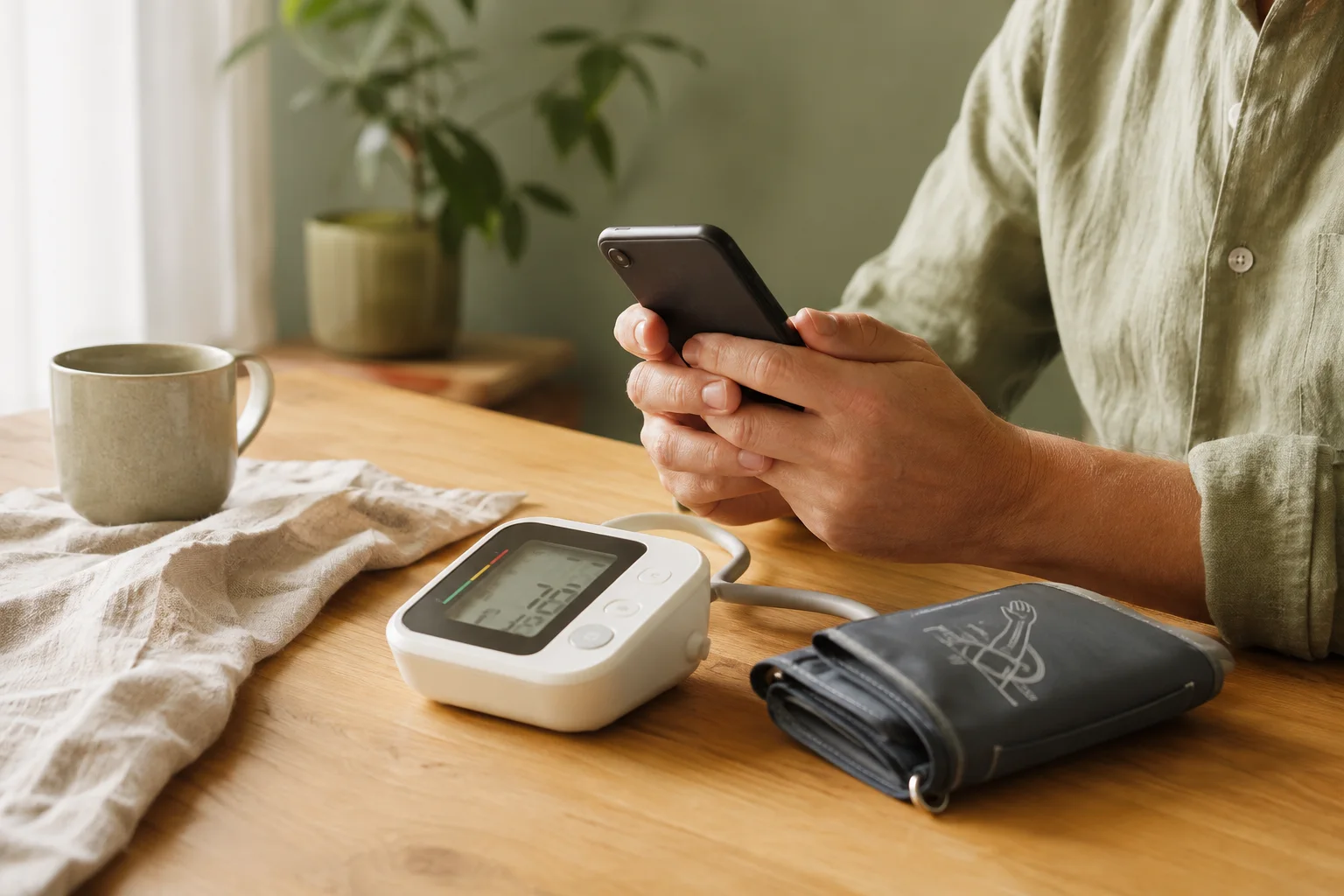
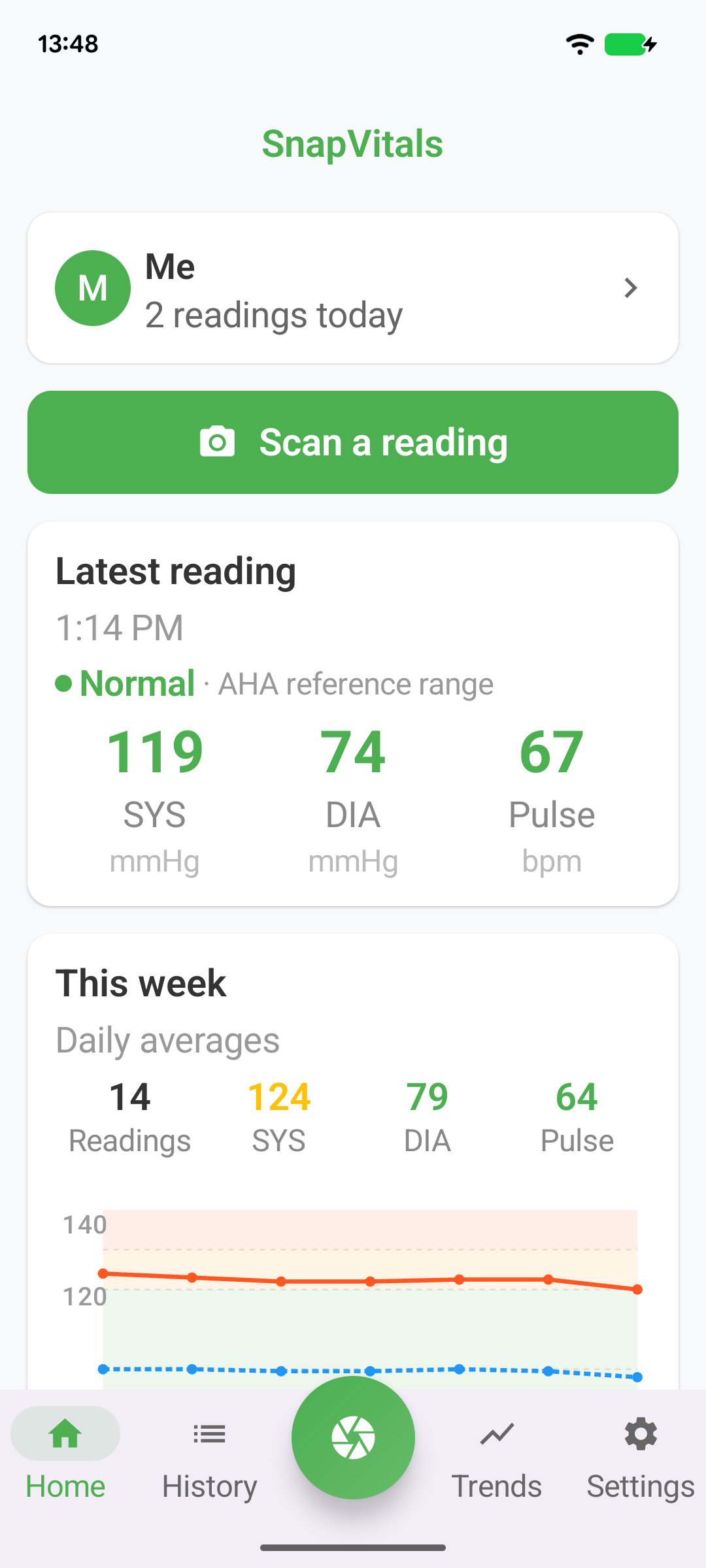
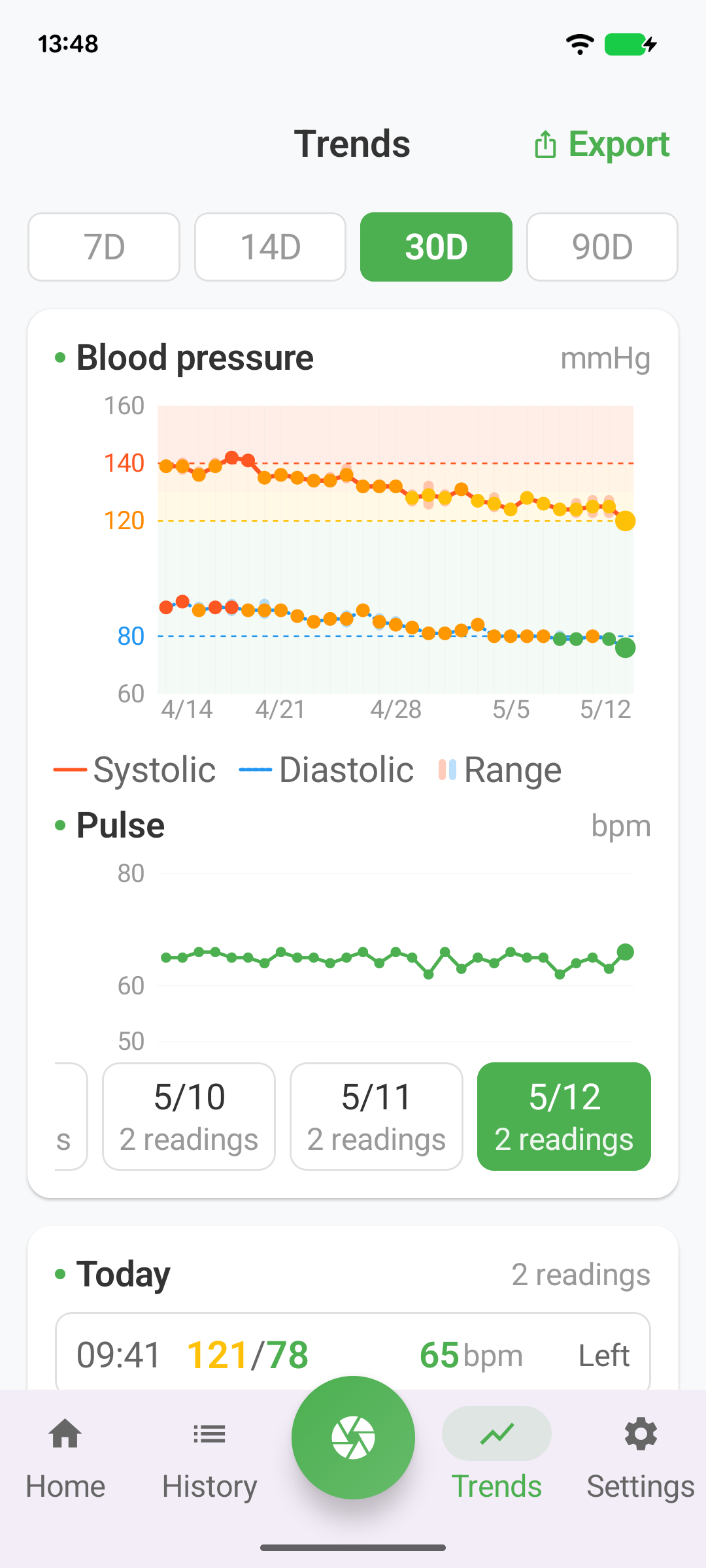
For patients with both hypertension and diabetes, home blood pressure monitoring is particularly valuable. Blood pressure variability tends to be greater in diabetic patients, and the "morning surge" phenomenon — a sharp rise in blood pressure after waking — is more pronounced. Tracking twice-daily readings over weeks reveals patterns that single office measurements miss entirely. Integrating this data with regular blood glucose monitoring gives patients and physicians the complete picture needed for effective management.