The Gap Between Measurement and Understanding

For decades, the biggest challenge in blood pressure management wasn't measuring blood pressure — it was doing something useful with the measurements. Manual log books got lost. Spreadsheets were complicated. Important trends went unnoticed between quarterly doctor's appointments. Medication adjustments happened based on isolated readings rather than patterns. Technology has fundamentally changed this.

AI-Powered OCR: Eliminating the Transcription Step

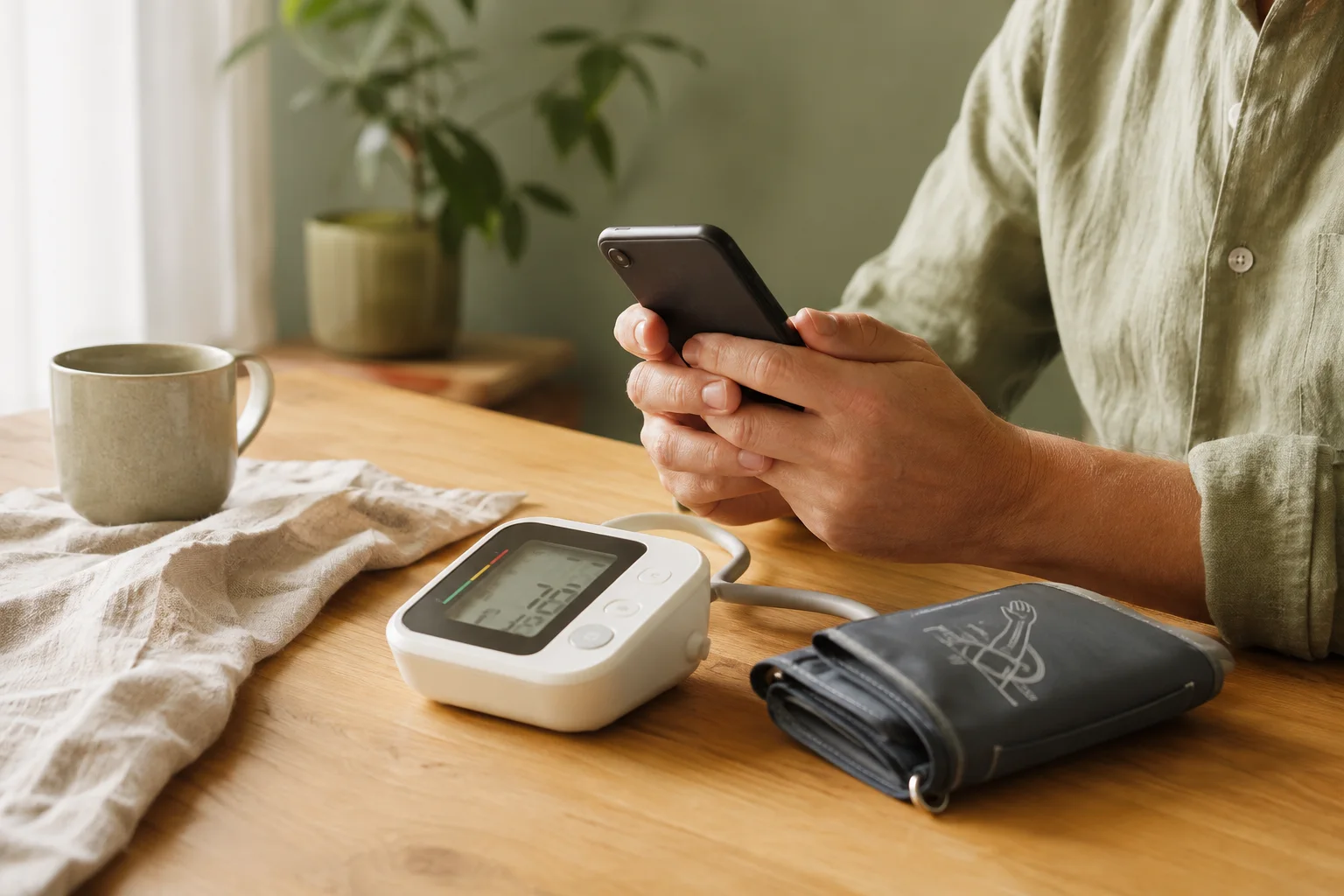
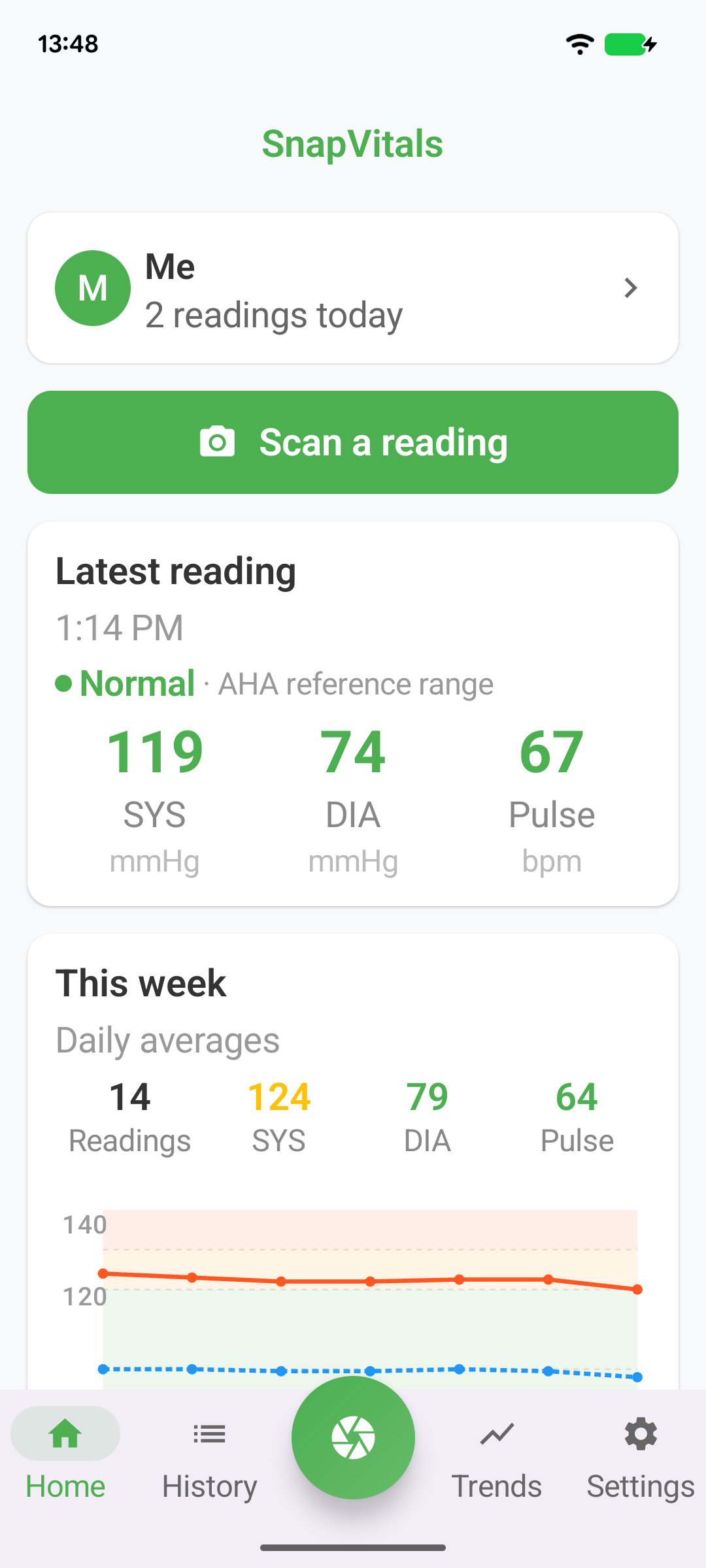
Perhaps the most significant recent innovation in home blood pressure monitoring is optical character recognition (OCR) technology that reads monitor displays automatically. Instead of squinting at numbers and manually entering them into a log, users simply point their phone camera at the monitor screen for one second — and all three readings (systolic, diastolic, pulse) are instantly captured and saved.

Modern apps make blood pressure tracking effortless and insightful

For seniors, this matters enormously. Manual data entry is error-prone, fatiguing, and creates friction that reduces adherence. When logging takes one second instead of two minutes of typing, it actually gets done consistently. And consistent data is the foundation of meaningful health management.

Trend Visualization: Making Data Meaningful

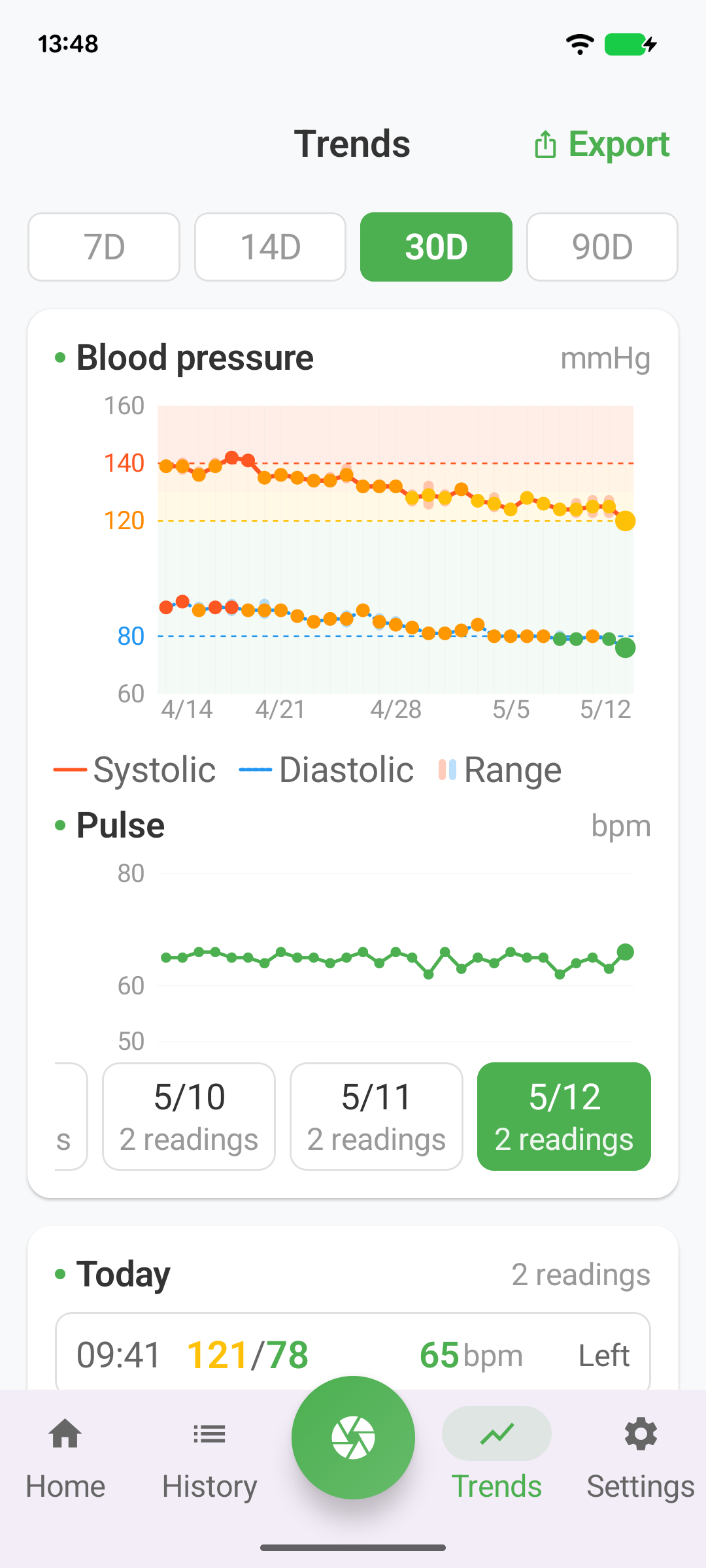
A single blood pressure reading is a fact. Thirty days of twice-daily readings, visualized as a trend line with AHA category color coding, is insight. Modern blood pressure apps automatically generate the charts and averages that make your data interpretable — not just to medical professionals, but to the patients themselves. When a senior can see their blood pressure clearly trending downward after starting a new walking habit, the motivation to continue is powerful and self-reinforcing.

Family Management: Caregiving Made Easier

An often-overlooked feature of modern health tracking apps is multi-profile support. Adult children managing the health of elderly parents — often across distances — face unique challenges: multiple sets of medications, multiple sets of readings, and the need to maintain privacy while staying informed. Apps that support family profiles allow each household member to have their own separate data record, with the ability to generate and share reports when needed.

The Doctor-Patient Data Bridge

One of the most clinically significant capabilities of modern blood pressure apps is the ability to generate professional PDF reports. These reports give physicians exactly what they want: a comprehensive view of blood pressure trends over weeks, with averages, variability metrics, and time-of-day patterns. For seniors who struggle to articulate how their readings have been going, a well-formatted app-generated report does the communication work for them.

Privacy and Data Security in Health Apps

Health data is among the most sensitive personal information. When evaluating blood pressure tracking apps, seniors and caregivers should prioritize apps that store data locally on the device (not in the cloud), don't require user registration or account creation, have no advertising or in-app purchases, and are transparent about data practices.

Apps that operate fully offline — where all health data stays on the device — provide the strongest privacy protection. This architecture also means the app works reliably regardless of internet connectivity, which matters for seniors in areas with poor service or who don't have consistent Wi-Fi access.

The Future of Passive Blood Pressure Monitoring

The next frontier is continuous, passive blood pressure monitoring — measuring blood pressure without a cuff, through sensors in wearables, smartphones, or even smart home devices. Several companies are actively developing cuffless blood pressure sensors for smartwatches and fitness trackers. While current accuracy remains below clinical standards, these technologies are improving rapidly. Within the next 5–10 years, continuous blood pressure monitoring is likely to become a routine feature of consumer health devices, fundamentally changing how seniors manage cardiovascular health.