Why Sodium Matters So Much

Sodium causes the body to retain water, increasing blood volume and the pressure exerted on arterial walls. For people who are "salt-sensitive" — a quality more common in older adults, African Americans, and people with kidney disease — even small reductions in sodium intake produce dramatic blood pressure improvements. The evidence is clear: reducing sodium intake from 3,400 mg (typical American) to 1,500 mg (DASH diet low-sodium target) can reduce systolic blood pressure by 5–10 mmHg. Achieving this doesn't require giving up satisfying food — it requires strategy.

Where Is Sodium Really Hiding?

Most people focus on the salt shaker, but the shaker contributes only about 5–10% of dietary sodium. The majority comes from processed and packaged foods (77%) and restaurant meals (6%). The top sodium sources in the American diet are: bread (a surprisingly large contributor due to consumption volume), pizza, sandwiches and cold cuts, canned soups, snack foods, poultry (often injected with salt solutions), and cheese.

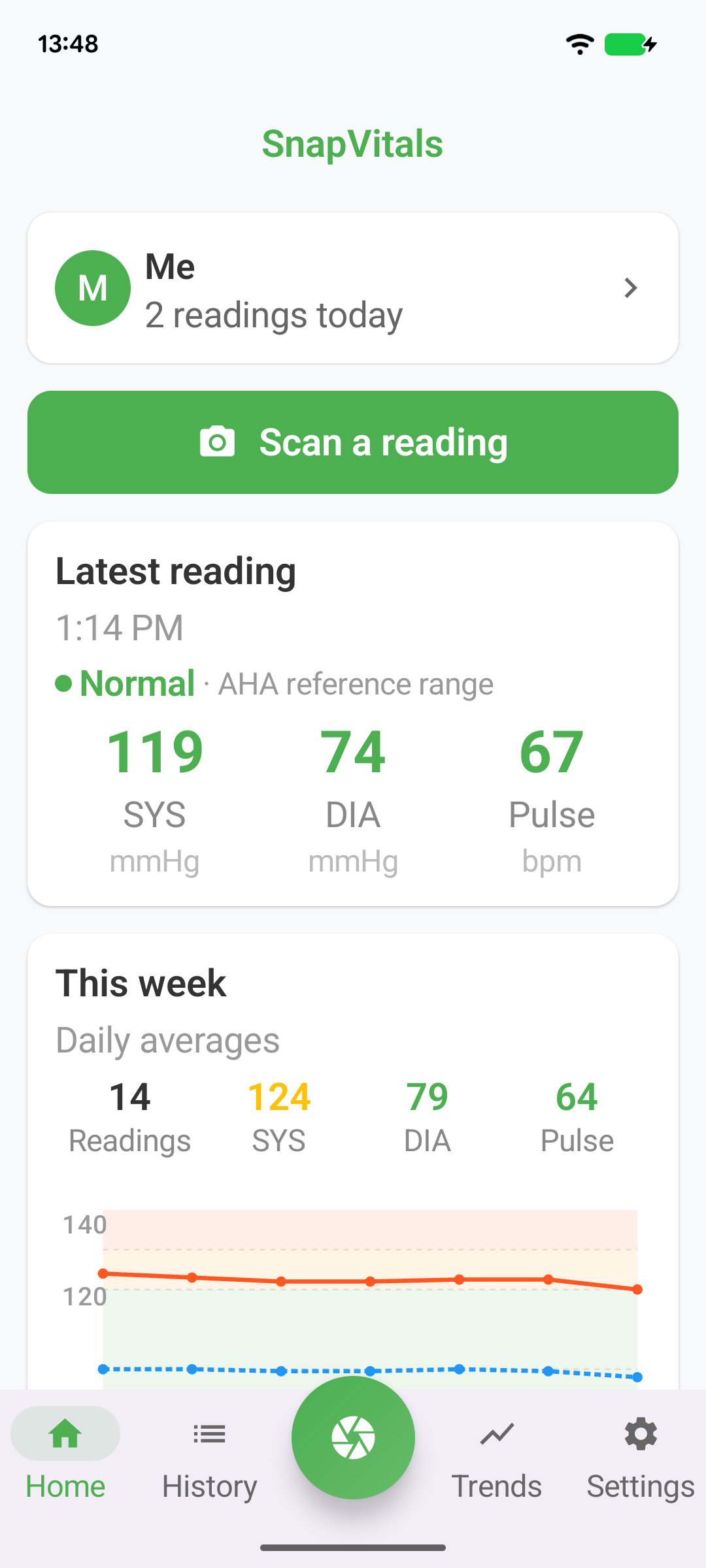
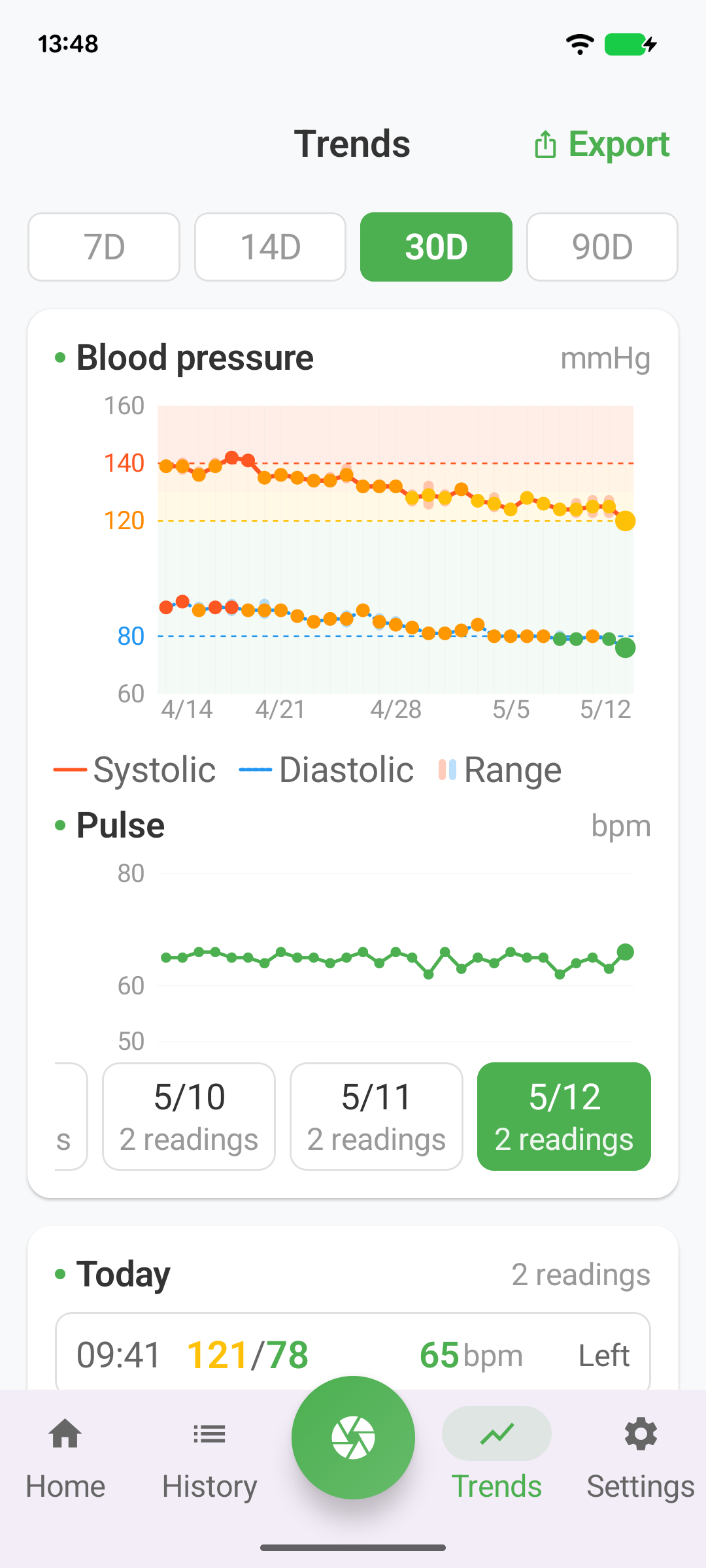
Reducing sodium shows measurable results in your home readings

15 Practical Sodium Reduction Strategies

1. Read the Nutrition Facts label: Compare products and choose those with less than 400 mg sodium per serving. Look for "low sodium" (140 mg or less per serving) or "no added salt" labels.

2. Cook more at home: Restaurant meals average 2,090 mg of sodium per entrée — more than the entire daily target. Even moderate home cooking dramatically reduces sodium exposure.

3. Rinse canned beans and vegetables: Draining and rinsing canned foods removes 40% of added sodium — a simple step that takes seconds.

4. Choose "no added salt" canned goods: These are increasingly available and taste very similar to regular versions once you're accustomed to the change.

5. Flavor with acid: Lemon juice, lime juice, and vinegars enhance flavor perception, reducing the need for salt. A squeeze of lemon on fish or vegetables makes them taste brighter and more flavorful without sodium.

6. Build a herb and spice pantry: Garlic, rosemary, thyme, oregano, cumin, paprika, black pepper, turmeric, and ginger add complex flavors without sodium. Keep fresh herbs on the windowsill.

7. Choose fresh or frozen over canned: Fresh and plain frozen vegetables have naturally low sodium. "Seasoned" frozen vegetables can contain as much sodium as canned products.

8. Limit deli meats and processed meats: A 3-ounce serving of regular deli turkey contains 900–1,100 mg sodium. Lower-sodium deli meats (look for less than 350 mg per serving) are widely available.

9. Make your own salad dressing: Commercial dressings average 300–500 mg sodium per 2-tablespoon serving. A simple olive oil, lemon, and Dijon mustard dressing provides rich flavor with minimal sodium.

10. Order sauces on the side in restaurants: Sauces are typically very high in sodium. Getting them on the side lets you use as little as needed — often just a fraction of what restaurants would add.

11. Request "no added salt" when dining out: Most restaurants will accommodate this request for grilled proteins, vegetables, and starches.

12. Use potassium chloride salt substitutes carefully: Products like No Salt and Nu-Salt replace sodium chloride with potassium chloride. These can significantly reduce sodium while maintaining salt flavor, but are not appropriate for people with kidney disease or those taking potassium-sparing diuretics. Consult your doctor.

13. Eat fewer processed snacks: One ounce of regular crackers averages 200–300 mg sodium; potato chips average 180 mg per ounce. Switch to unsalted nuts, fresh fruit, or vegetables with hummus.

14. Choose lower-sodium bread: Two slices of some bread varieties contain 300–500 mg sodium. Compare brands and choose options under 150 mg per slice, or make your own without added salt.

15. Transition gradually: Taste perception adapts. Studies show that after 8–12 weeks on a lower-sodium diet, people find previously normal-tasting foods excessively salty. Start by reducing the most dramatic sources first, and your palate will adjust over time.