Food as Medicine for Blood Pressure
What you eat has a direct and measurable effect on your blood pressure. The right dietary choices can reduce systolic pressure by as much as 11 mmHg — comparable to many medications. For seniors managing hypertension, nutrition deserves as much attention as any prescription. Here's what the research says about the most powerful blood-pressure-lowering foods.
Leafy Greens: Potassium Powerhouses
Spinach, kale, Swiss chard, and romaine lettuce are packed with potassium, which helps kidneys flush out excess sodium. One cup of cooked spinach delivers about 840 mg of potassium. Aim for at least one serving of leafy greens daily. If you take blood thinners like warfarin, however, discuss significant dietary changes with your doctor since vitamin K levels can affect medication dosing.
Berries: Flavonoid-Rich Cardioprotectors
Blueberries, strawberries, and raspberries are rich in flavonoids — plant compounds that improve arterial flexibility and reduce blood pressure. A study published in the Journal of the Academy of Nutrition and Dietetics found that women who ate the most blueberries and strawberries had a 34% lower risk of heart attack. A handful of berries added to morning oatmeal or yogurt is one of the simplest, most enjoyable dietary upgrades you can make.
Beets and Beet Juice
Beets are uniquely rich in dietary nitrates, which the body converts to nitric oxide — a molecule that relaxes blood vessel walls and lowers blood pressure. Studies show that one glass (250 ml) of beet juice can reduce systolic blood pressure by 4–10 mmHg within hours. For seniors, this makes beet juice a practical, fast-acting supplement to daily nutrition. Try roasted beets in salads or diluted beet juice with apple juice to make the taste more palatable.
Oatmeal: Soluble Fiber for the Heart
Oats contain beta-glucan, a soluble fiber that reduces cholesterol absorption and has been shown to lower both systolic and diastolic blood pressure. A Harvard study found that people who ate 5 or more grams of soluble fiber daily reduced systolic pressure by 2.7 mmHg on average. Start your morning with steel-cut oats — they have a lower glycemic index than instant oats and keep you full longer.
Bananas and Other High-Potassium Fruits
A medium banana contains about 420 mg of potassium. Other excellent high-potassium fruits include oranges, cantaloupe, kiwi, and dried apricots. Increasing potassium intake from food (rather than supplements, which can be risky) is consistently linked to lower blood pressure. Adults should aim for 3,500–5,000 mg of potassium daily from whole foods.
Fatty Fish: Omega-3s for Arterial Health
Salmon, mackerel, sardines, and trout are rich in omega-3 fatty acids, which reduce inflammation, improve endothelial function, and lower blood pressure. Research shows that consuming 3 grams of omega-3s daily (achievable with two servings of fatty fish per week) reduces systolic pressure by about 4 mmHg in people with hypertension. For seniors who don't enjoy fish, high-quality fish oil supplements are an acceptable alternative.
Seeds: Small But Mighty
Flaxseeds, chia seeds, and pumpkin seeds are excellent sources of magnesium, a mineral that plays a critical role in regulating vascular tone. Magnesium deficiency — common in older adults — is associated with hypertension. Two tablespoons of ground flaxseed added to a smoothie or yogurt delivers about 80 mg of magnesium along with heart-healthy fiber and omega-3s.
Garlic: Nature's Blood Pressure Remedy
Garlic contains allicin, a sulfur compound with demonstrated blood-pressure-lowering properties. Studies have found that aged garlic extract supplements reduce systolic blood pressure by an average of 8–9 mmHg in people with uncontrolled hypertension. Cooking with fresh garlic several times per week provides meaningful cardiovascular benefits alongside its many other health effects.
Dark Chocolate: The Guilt-Free Indulgence
Flavanols in dark chocolate (70% cocoa or higher) stimulate nitric oxide production, improving blood vessel flexibility. A meta-analysis of 35 studies found that consuming small amounts of dark chocolate (about 30 calories' worth, or one square) daily was associated with a significant reduction in both systolic and diastolic pressure. This isn't a license to eat unlimited chocolate — but one small square daily is genuinely beneficial.
Foods to Limit or Avoid
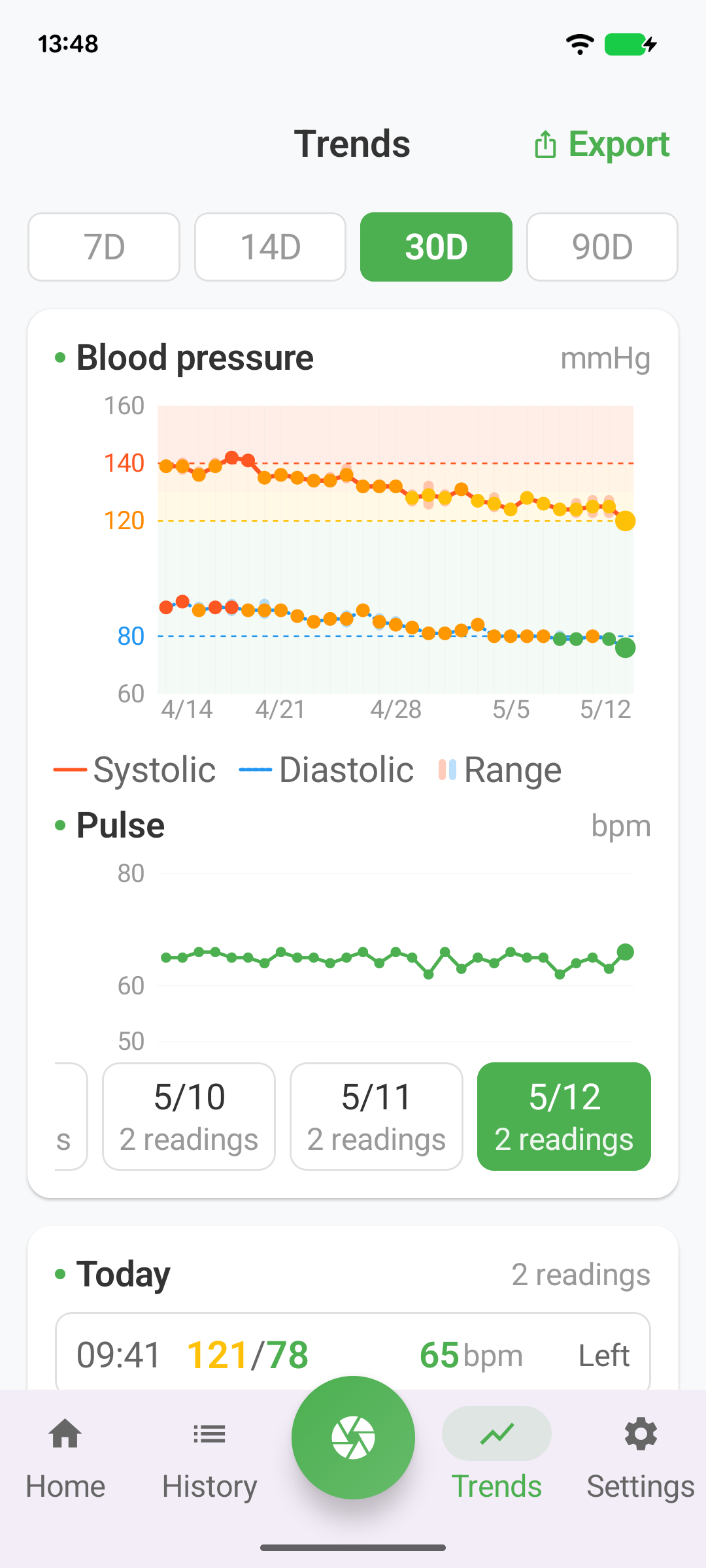
Equally important is reducing blood-pressure-raising foods: processed meats (bacon, deli meat, hot dogs), canned soups and vegetables with added sodium, frozen dinners, pickled foods, soy sauce, fast food, and alcohol. Even one high-sodium meal can raise blood pressure for several hours — which is why tracking your readings after different meals can reveal personal dietary triggers.