From Philosophy to Physiology: What Mindfulness Does to the Body

Mindfulness — the practice of sustaining non-judgmental present-moment awareness — has moved from meditation cushions into clinical research labs over the past three decades, and the findings are remarkable. Regular mindfulness practice produces measurable changes in brain structure and function, hormonal profiles, immune activity, and cardiovascular physiology. For blood pressure management specifically, mindfulness operates through several well-characterized mechanisms.

The autonomic nervous system has two opposing branches: the sympathetic ("fight or flight") system, which raises blood pressure, heart rate, and vascular resistance; and the parasympathetic ("rest and digest") system, which lowers them. Modern stress-dominated lifestyles leave many people in a chronically sympathetically activated state. Mindfulness practice — particularly slow, diaphragmatic breathing at 5–6 breaths per minute — directly activates parasympathetic tone through stimulation of the vagus nerve, physiologically counteracting the stress response.

Just 10 minutes of daily mindful breathing practice reduces systolic blood pressure by 4-7 mmHg in clinical studies

The Amygdala and the Stress-BP Spiral

The amygdala — the brain's alarm center — becomes hyperactive under chronic stress, triggering repeated sympathetic activation that sustains elevated blood pressure over time. Neuroimaging studies show that 8 weeks of Mindfulness-Based Stress Reduction (MBSR) training measurably reduces amygdala gray matter density and amygdala reactivity to stressors. Simultaneously, the prefrontal cortex — responsible for emotional regulation and executive function — shows increased gray matter density. The net effect: the brain becomes literally less reactive to stress, generating fewer and smaller cardiovascular stress responses.

Heart Rate Variability: The Biological Signature of Mindfulness

Heart rate variability (HRV) — the natural variation in time between heartbeats — is one of the best quantitative markers of cardiovascular health and autonomic nervous system balance. Higher HRV indicates more flexible, responsive parasympathetic regulation; lower HRV is associated with higher cardiovascular risk. Studies consistently show that mindfulness practice increases HRV, indicating improved vagal tone and autonomic flexibility. This is the same physiological change produced by aerobic fitness — achieved through mental practice rather than physical exertion.

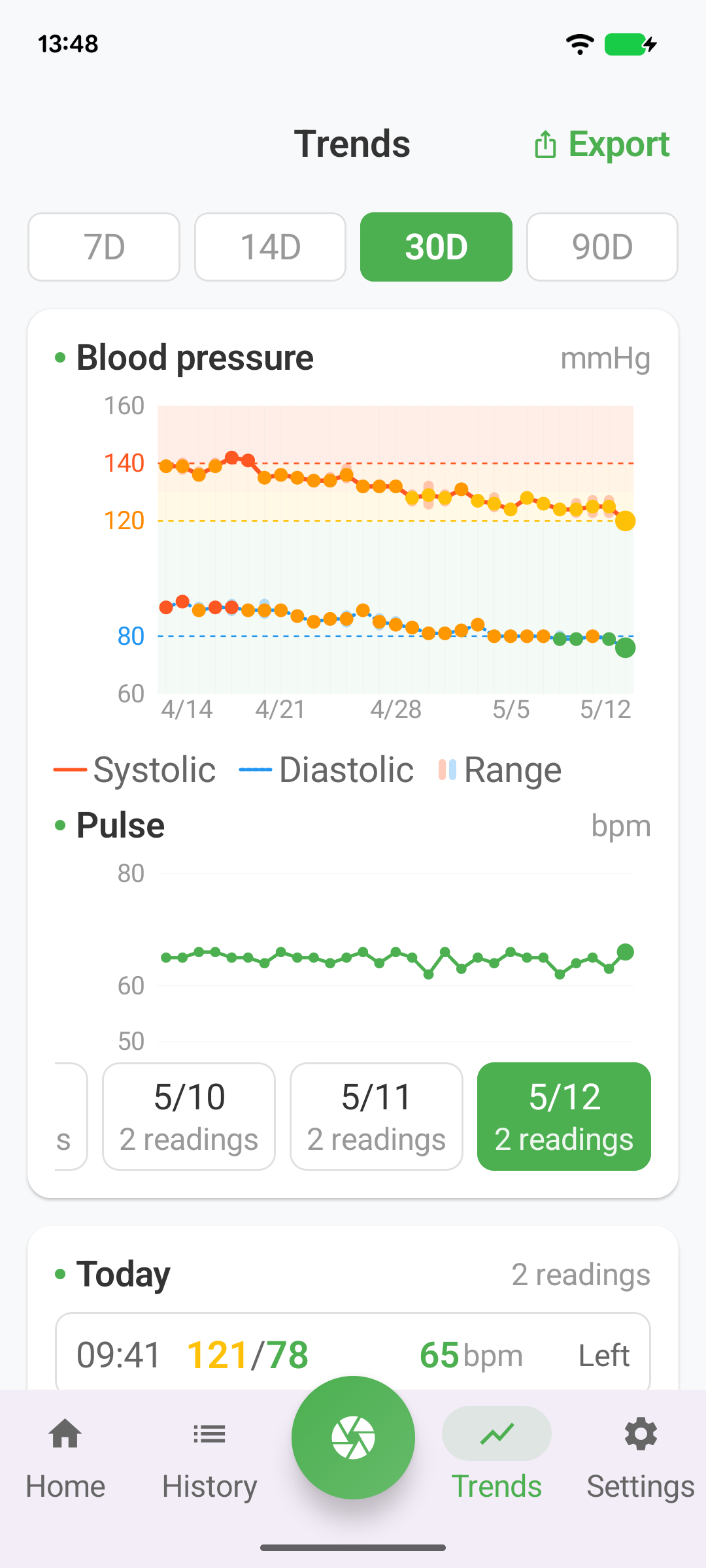
Consistent mindfulness practice combined with regular blood pressure monitoring reveals the mind-body connection in real time

A Practical Mindfulness Protocol for Blood Pressure

The most evidence-backed approach for blood pressure combines daily formal practice with informal mindfulness moments throughout the day. Formal practice: 10–20 minutes each morning of focused breathing (4 seconds in, 6 seconds out, 3–4 breath cycles per minute), body scan, or guided meditation. Informal practice: brief 3-breath pauses before meals, before taking blood pressure readings, and during stressful moments. Measure your blood pressure immediately after a mindfulness session and again 2 hours later to see the direct effect for yourself — the comparison can be surprisingly motivating.